


What You Need to Know About rtc rescue services

When seconds count, having the right skills and knowledge can make all the difference. That’s exactly where rtc rescue services come into play. These services are not just about pulling people out of wrecked vehicles; they’re about saving lives with precision, speed, and expertise. If you’re involved in rescue operations or vehicle recovery, understanding the ins and outs of rtc rescue is essential.
The Core of rtc rescue services
At its heart, rtc rescue services focus on managing road traffic collisions with a high level of professionalism and technical skill. Think of it as a finely tuned orchestra where every member knows their part perfectly. The goal? To reduce trauma and improve survival rates for victims caught in the aftermath of accidents.
These services combine:
Advanced training in vehicle extrication techniques
Use of specialised tools and equipment
Coordination with emergency medical teams
Continuous updates on the latest rescue methods
Imagine a scenario where a vehicle is severely damaged after a collision. The rescue team must quickly assess the situation, stabilise the vehicle, and safely extract the occupants without causing further injury. This requires not only physical tools but also mental agility and teamwork.

Why rtc rescue services are a game changer
You might wonder, what sets rtc rescue services apart from traditional rescue efforts? The answer lies in their commitment to innovation and education. These services are constantly evolving, incorporating new techniques and technologies to tackle the challenges posed by modern vehicles and complex crash scenarios.
For example, newer cars often have reinforced structures and advanced safety features that can complicate rescue operations. Without specialised training, rescuers might struggle to access trapped victims quickly. rtc rescue services address this by providing:
Detailed vehicle anatomy knowledge
Hands-on training with the latest rescue tools
Scenario-based drills that mimic real-life accidents
This approach ensures that rescue teams are not just reacting but anticipating challenges. It’s like having a playbook for every possible situation on the road.
Training and skill development in rtc rescue services
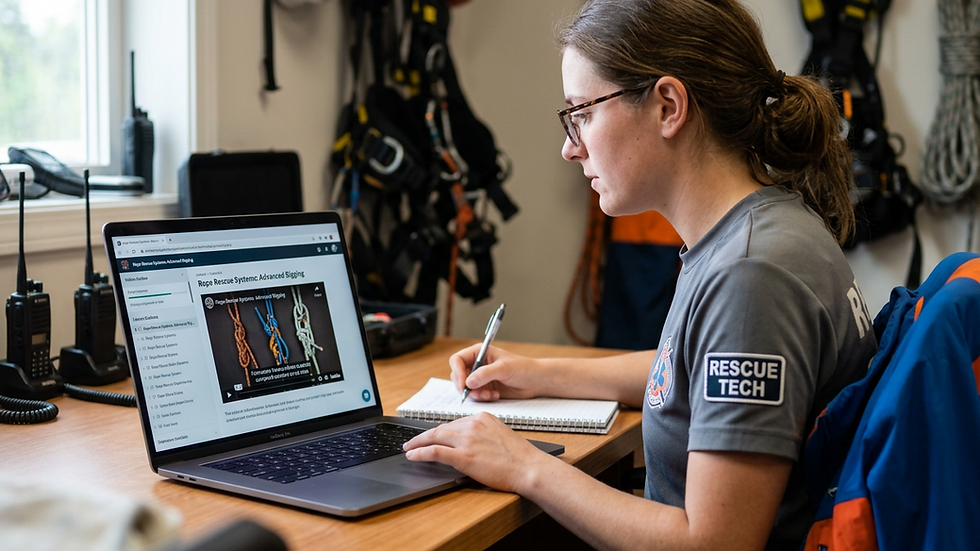
Training is the backbone of effective rtc rescue services. It’s not enough to know the theory; practical experience is crucial. Courses often include:
Vehicle construction and safety systems - Understanding airbags, seatbelt pretensioners, and battery locations.
Extrication techniques - Using cutters, spreaders, and stabilisation devices.
Medical considerations - Basic trauma care and victim handling.
Incident command and communication - Coordinating with other emergency services.
Hands-on sessions simulate real accidents, allowing trainees to practice under pressure. This builds confidence and muscle memory, which are vital when every second counts.

The role of technology in modern rtc rescue
Technology is a powerful ally in rtc rescue services. From hydraulic cutters to thermal imaging cameras, the tools available today are far beyond what was used a decade ago. These advancements help rescuers work faster and safer.
Some key technological aids include:
Hydraulic rescue tools - Often called the "Jaws of Life," these tools can cut through metal and pry open vehicles.
Stabilisation equipment - Prevents vehicles from shifting during rescue.
Communication devices - Ensures seamless coordination among teams.
Vehicle data systems - Access to crash data and vehicle specifics to guide rescue efforts.
Integrating technology with expert training creates a synergy that enhances overall rescue effectiveness. It’s like upgrading from a bicycle to a high-performance motorcycle in a race against time.
How rtc rescue services improve outcomes for road trauma victims
The ultimate measure of rtc rescue services is the impact on victims’ survival and recovery. By combining expert knowledge, advanced tools, and continuous training, these services significantly improve outcomes.
Here’s how:
Reduced extrication time - Faster access to victims means quicker medical intervention.
Minimised secondary injuries - Careful handling prevents further harm.
Better coordination - Streamlined communication reduces confusion and delays.
Adaptability - Teams can handle a wide range of vehicle types and accident scenarios.
In essence, rtc rescue services are about turning chaos into order, ensuring that every rescue operation is as efficient and safe as possible.
Staying ahead: The future of rtc rescue services
The world of road traffic collision rescue is always changing. New vehicle designs, evolving safety standards, and emerging technologies mean that rtc rescue services must stay ahead of the curve. Continuous learning and innovation are not optional; they are necessities.
Future trends to watch include:
Electric and hybrid vehicle rescue techniques - Handling high-voltage systems safely.
Drones and robotics - Assisting in scene assessment and victim location.
Virtual reality training - Immersive simulations for better preparedness.
Global knowledge sharing - Platforms that connect rescue professionals worldwide.
By embracing these developments, rtc rescue services will continue to save lives and set new standards in emergency response.
If you want to dive deeper into the world of advanced rescue training and techniques, check out rtc rescue for resources and courses designed to equip you with cutting-edge skills.
Whether you’re a seasoned technician or new to rescue operations, understanding rtc rescue services is a vital step towards making a real difference on the road. It’s about being ready, being skilled, and being confident when it matters most.


Comments