


RTC Online Courses: Online RTC Rescue Training in the UK

When it comes to road traffic collision (RTC) rescue, every second counts. The ability to respond swiftly and effectively can mean the difference between life and death. But how do rescue teams stay sharp and up-to-date with the latest techniques, especially when in-person training isn’t always feasible? The answer lies in online RTC rescue training. In the UK, this approach is transforming how rescue professionals prepare for the challenges they face on the road.
Why RTC Online Courses Are Essential
Imagine being the first responder at a complex vehicle crash scene. The environment is chaotic, the victims are trapped, and the clock is ticking. You need to know exactly what to do, and fast. Traditional training methods have their place, but they often require travel, time off work, and access to specific facilities. That’s where RTC online courses come in.
These courses offer:
Flexibility: Learn at your own pace, anytime, anywhere.
Accessibility: No need to travel long distances or arrange complicated schedules.
Up-to-date content: Training modules are regularly updated to reflect the latest rescue techniques and equipment.
Cost-effectiveness: Save on travel and accommodation expenses.
For rescue organisations, first responders, and vehicle technicians, this means continuous professional development without the usual logistical headaches.
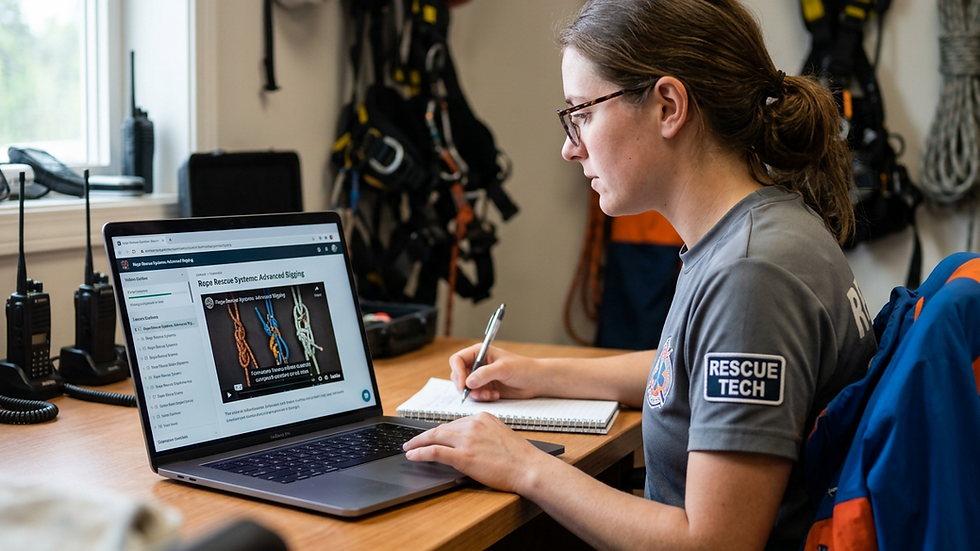
What Makes Online RTC Rescue Training in the UK Stand Out?
The UK has a strong tradition of excellence in emergency response and rescue training. Online RTC rescue training here is designed with this heritage in mind, combining practical knowledge with cutting-edge technology.
Here’s what sets it apart:
Expert-led content: Courses are developed and delivered by seasoned professionals with real-world experience.
Interactive modules: Simulations, quizzes, and video demonstrations make learning engaging and effective.
Certification: Many courses offer recognised qualifications that enhance your professional credibility.
Community support: Access to forums and discussion groups where you can share experiences and ask questions.
This blend of theory and practice ensures that when you face a real RTC scenario, you’re not just prepared—you’re confident.
How Online RTC Rescue Training UK Enhances Skillsets
Hands-on experience is invaluable, but online training supplements this by deepening your understanding of complex rescue scenarios. For example, courses often cover:
Vehicle anatomy and construction: Understanding modern car designs, including electric and hybrid vehicles.
Stabilisation techniques: How to safely secure vehicles before extrication.
Extrication methods: Step-by-step guides on removing trapped victims without causing further injury.
Use of rescue tools: Detailed instructions on hydraulic cutters, spreaders, and other equipment.
Medical considerations: Basic trauma care principles to support victims until paramedics arrive.
By mastering these areas online, you build a solid foundation that enhances your practical skills during live training or actual incidents.

Practical Tips for Maximising Your Online RTC Training Experience
Taking an online course isn’t just about clicking through slides. To get the most out of your training, consider these tips:
Set a schedule: Treat your online course like a classroom session. Block out regular time slots to study.
Create a distraction-free environment: Find a quiet space where you can focus fully.
Engage actively: Take notes, participate in quizzes, and complete all interactive elements.
Practice offline: Use your new knowledge during drills or practical sessions whenever possible.
Connect with peers: Join online forums or social media groups related to RTC rescue to exchange tips and experiences.
Review regularly: Revisit key modules to reinforce your learning and stay sharp.
These strategies help transform online learning from passive watching into active skill-building.
The Future of RTC Rescue Training in the UK
The landscape of rescue training is evolving rapidly. With advances in technology, we’re seeing more immersive and realistic online training options, such as virtual reality (VR) simulations and augmented reality (AR) overlays. These tools allow trainees to experience complex rescue scenarios in a safe, controlled environment.
Moreover, the integration of data analytics helps tailor courses to individual learning styles and track progress more effectively. This personalised approach ensures that every rescue professional can reach their full potential.
If you’re looking to stay ahead in your field, embracing online RTC rescue training is not just a convenience—it’s a necessity. For those interested, online rtc rescue training uk offers a comprehensive platform to start or continue your professional development journey.
Embracing Continuous Learning for Better Outcomes
In the high-stakes world of road traffic collision rescue, standing still means falling behind. Continuous learning through online RTC rescue training equips you with the latest knowledge and skills to save lives more effectively. It’s about being ready for whatever the road throws at you.
So, why wait? Dive into the world of online RTC rescue training and empower yourself with the tools to make a real difference. After all, when seconds count, preparation is everything.


Comments