


Top RTC Rescue Training Materials in the UK: Rescue Training Essentials

When it comes to mastering the art of road traffic collision (RTC) rescue, having the right training materials is not just helpful - it’s essential. Imagine trying to build a complex machine without a proper manual. That’s what rescue training feels like without the right resources. Over the years, I’ve seen firsthand how the best rescue training essentials can transform a team’s readiness and effectiveness. Today, I want to walk you through the top RTC rescue training materials available in the UK, highlighting what makes them stand out and how they can elevate your skills to the next level.
Why Rescue Training Essentials Matter
Rescue operations are high-stakes, high-pressure scenarios. Every second counts, and every decision can mean the difference between life and death. That’s why the foundation of any successful rescue mission lies in thorough, practical training. But not all training materials are created equal. The best ones combine theory with hands-on practice, real-world scenarios, and up-to-date techniques.
Think of rescue training essentials as the toolkit that equips you to face the unpredictable. They cover everything from vehicle stabilisation and patient extrication to advanced cutting and spreading techniques. Without these essentials, even the most experienced responders can find themselves at a disadvantage.
What Makes Training Materials Effective?
Clarity and simplicity: Complex concepts broken down into digestible parts.
Practical application: Step-by-step guides and drills that mimic real-life situations.
Visual aids: Diagrams, photos, and videos that enhance understanding.
Up-to-date content: Reflecting the latest industry standards and technology.
Accessibility: Easy to use in the field or during classroom sessions.

Top RTC Rescue Training Materials in the UK
The UK has become a hub for some of the most advanced and comprehensive rescue training materials. These resources are designed to meet the needs of firefighters, clinicians, workshop teams, and technical rescue professionals alike. Here’s a breakdown of the top materials that I recommend:
1. Comprehensive Training Manuals
A solid manual is the backbone of any training programme. The best manuals available in the UK cover:
Vehicle anatomy and construction
Stabilisation techniques
Patient access and extrication methods
Use of hydraulic tools and cutting equipment
Safety protocols and risk assessment
These manuals are often updated annually to include new vehicle models and rescue techniques. They serve as both a learning tool and a quick reference guide during operations.
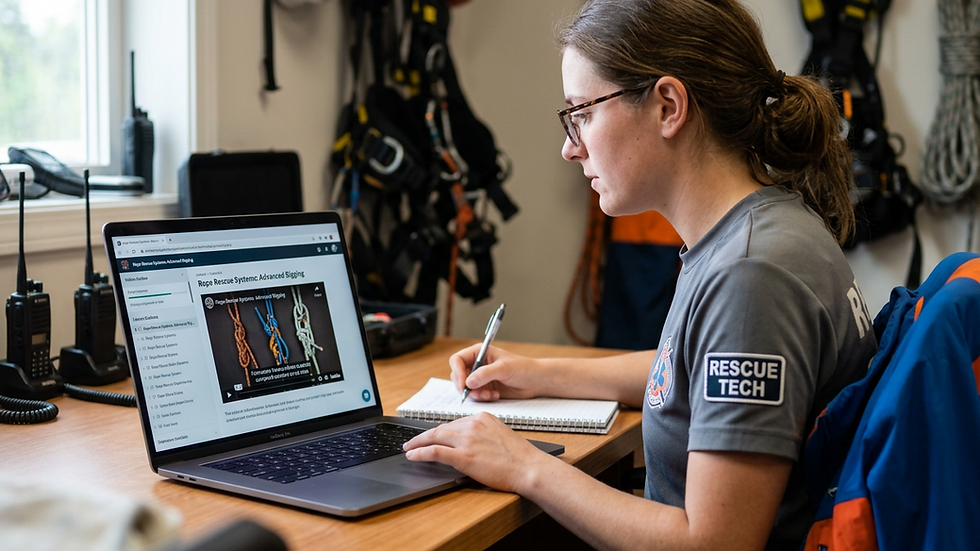
2. Interactive E-Learning Modules
In today’s digital age, e-learning modules have become indispensable. They offer:
Interactive quizzes to test knowledge retention
Video demonstrations of complex procedures
Scenario-based learning to simulate real incidents
Flexible access anytime, anywhere
These modules are perfect for refresher training or for teams spread across different locations.
3. Hands-On Training Kits
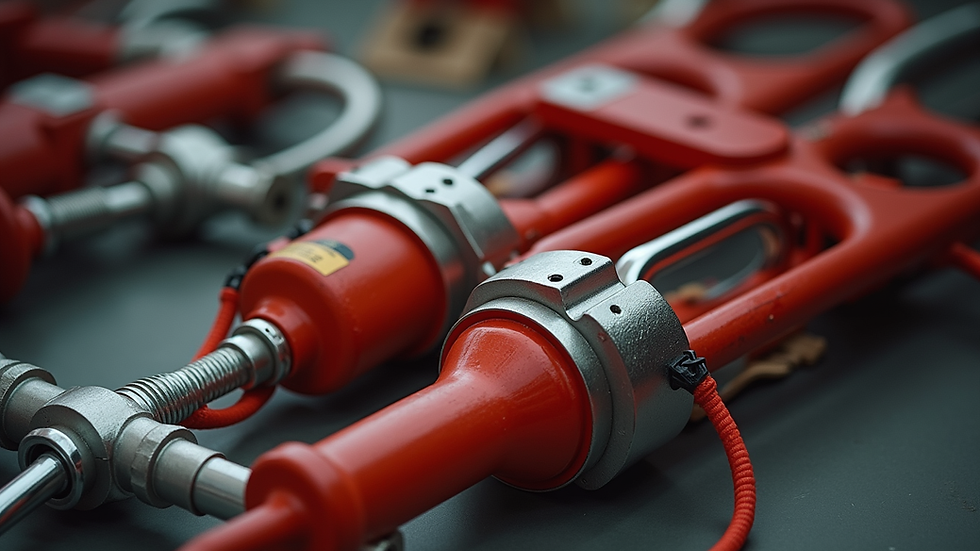
Nothing beats hands-on experience. Training kits typically include:
Replica vehicle parts for practice
Hydraulic rescue tools (or training versions)
Stabilisation devices like cribbing blocks and struts
Personal protective equipment (PPE) for realistic drills
Using these kits, teams can practice extrication techniques safely and repeatedly, building muscle memory and confidence.
4. Video Libraries and Webinars
Visual learning is powerful. Many UK-based training providers offer extensive video libraries and live webinars covering:
Latest rescue techniques and innovations
Case studies from real RTC incidents
Expert talks and Q&A sessions
Tool maintenance and troubleshooting
These resources keep teams updated and inspired, bridging the gap between theory and practice.
5. Simulation Software
Advanced simulation software is a game-changer. It allows trainees to:
Navigate virtual RTC scenarios
Make decisions under pressure
Analyse outcomes and improve strategies
Train multiple team members simultaneously
While this technology requires investment, the benefits in preparedness and skill development are undeniable.
How to Choose the Right Training Materials
With so many options, how do you pick the best materials for your team? Here are some tips based on what I’ve learned:
Assess your team’s current skill level: Beginners need more foundational materials, while experienced teams benefit from advanced modules.
Consider your training environment: Do you have access to physical training spaces, or do you need more digital resources?
Look for materials aligned with UK standards: This ensures relevance and compliance.
Prioritise materials that offer ongoing updates: Rescue techniques evolve, and so should your training.
Seek feedback from your team: What formats do they find most engaging and useful?
Remember, the goal is not just to complete training but to build confidence and competence that translate into real-world success.
Integrating RTC Rescue Training Materials into Your Programmes
Once you’ve selected your materials, the next step is integration. Here’s a practical approach:
Create a structured training schedule: Balance theory, e-learning, and hands-on practice.
Use blended learning: Combine classroom sessions with digital modules and live drills.
Encourage peer learning: Experienced members can mentor newcomers using the materials.
Regularly review and update: Keep training fresh and aligned with the latest developments.
Measure progress: Use quizzes, practical assessments, and feedback to track improvement.
By embedding these materials into your training culture, you ensure continuous growth and readiness.
Staying Ahead with RTC Rescue Training Materials
The world of road traffic collision rescue is constantly evolving. New vehicle technologies, changing road conditions, and emerging rescue tools mean that training materials must keep pace. That’s why I always recommend sourcing your rtc rescue training materials from providers who are committed to innovation and quality.
Investing in the right materials is investing in lives saved. It’s about equipping teams with the knowledge and skills to act decisively and effectively when it matters most. Whether you’re refreshing your current resources or building a new training programme from scratch, the UK offers some of the best options to help you achieve those goals.
If you want to stay sharp and ready for any RTC challenge, start with the right training materials. They are the foundation of every successful rescue mission and the key to making a real difference on the road.


Comments