


Key Materials for Essential RTC Training Materials

When it comes to road traffic collision (RTC) rescue training, having the right materials is not just helpful - it’s critical. Imagine trying to learn advanced rescue techniques without the proper tools. It’s like trying to build a house without a hammer or nails. You might get some progress, but it won’t be solid or safe. In this post, I’ll walk you through the essential materials that form the backbone of effective RTC rescue training. Whether you’re involved in heavy rescue, technical rescue, or emergency response, these materials will help you sharpen your skills and save lives.
Why Essential RTC Training Materials Matter
Training for RTC rescue is complex. It involves understanding vehicle structures, patient extraction, and managing hazardous environments. Without the right materials, training can become theoretical and less effective. The goal is to simulate real-life scenarios as closely as possible. This means having equipment and resources that mimic the challenges faced at actual collision sites.
Think of it this way: if you want to be a skilled mechanic, you need a full set of tools. The same applies here. Essential rtc training materials provide the foundation for hands-on learning, allowing trainees to practice safely and confidently.
Core Equipment for RTC Rescue Training
Let’s dive into the core equipment that every RTC rescue training program should include. These are the tools and devices that trainees will use repeatedly to master their craft.
Stabilisation and Safety Gear
Safety is paramount. Before any rescue operation, stabilising the vehicle and securing the scene is the first step. Training materials should include:
Chocks and cribbing blocks: To prevent vehicle movement.
Struts and stabilisation bars: For supporting damaged vehicles.
High-visibility vests and helmets: To protect rescuers during training.
Gloves and eye protection: Essential for handling sharp or hazardous materials.
These items teach trainees how to create a safe working environment, reducing risks during real rescues.
Cutting and Spreading Tools
One of the most iconic images of RTC rescue is the use of hydraulic cutters and spreaders - often called the "jaws of life." Training materials should include:
Hydraulic cutters and spreaders: For cutting through metal and prising open vehicle doors.
Reciprocating saws and battery-powered tools: For more precise or delicate cuts.
Hand tools like crowbars and hammers: For manual leverage and breaking glass.
These tools allow trainees to practice extrication techniques, learning how to access trapped victims quickly and safely.
Patient Care and Extraction Equipment
Rescue is not just about freeing victims; it’s about preserving life and minimising further injury. Training materials should cover:
Spinal boards and scoop stretchers: For safe patient removal.
Cervical collars and immobilisation devices: To stabilise the neck and spine.
Blankets and trauma kits: For initial patient care and comfort.
Including these materials in training ensures that rescuers understand the importance of patient handling alongside technical rescue skills.

Training Aids and Simulation Tools
Beyond physical tools, simulation aids play a huge role in RTC rescue training. They help replicate the chaos and complexity of real incidents without the risks.
Vehicle Mock-ups and Crash Simulators
Using real vehicles or purpose-built mock-ups allows trainees to practice extrication in a controlled environment. These can be:
Decommissioned vehicles: Stripped and prepared for repeated training.
Modular vehicle simulators: Designed to mimic different types of collisions and damage.
Crash scene props: Including debris, glass, and fluids to simulate hazards.
These materials help trainees develop situational awareness and problem-solving skills.
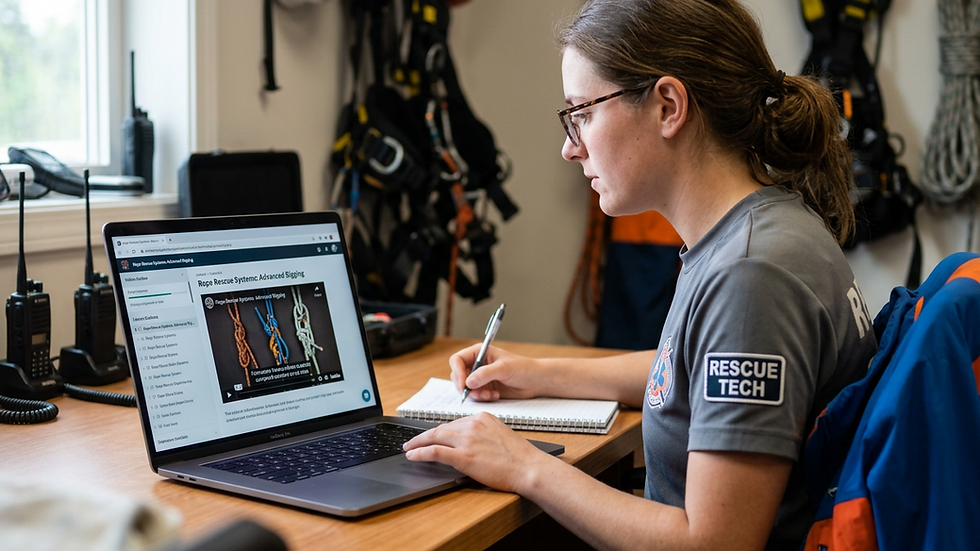
Digital and Virtual Training Tools
Technology is changing the way we train. Virtual reality (VR) and computer simulations offer immersive experiences that complement hands-on practice. While not a replacement, they are valuable additions.
VR scenarios: Allow trainees to experience various collision types and rescue challenges.
Interactive software: For learning vehicle anatomy and rescue techniques.
Video tutorials and debriefing tools: To review and improve performance.
Incorporating these tools alongside physical materials creates a well-rounded training programme.
Organising and Maintaining Your Training Materials
Having the right materials is only half the battle. Keeping them organised and in good condition is just as important. Here are some tips:
Inventory management: Keep a detailed list of all equipment and materials.
Regular maintenance: Hydraulic tools and cutting equipment need routine checks and servicing.
Storage solutions: Use labelled cases and racks to store tools safely and accessibly.
Training schedules: Rotate materials to ensure even wear and availability for all trainees.
A well-maintained training environment reflects professionalism and ensures readiness when real emergencies arise.

Where to Find Reliable RTC Rescue Training Materials
Finding quality materials can be a challenge. It’s tempting to cut corners, but remember - your training quality depends on the tools you use. Look for suppliers who specialise in rescue and emergency response equipment. They understand the unique demands of RTC rescue training.
Also, consider collaborating with established training centres or organisations. They often have access to the latest materials and can provide guidance on best practices.
For those looking to explore a comprehensive range of resources, rtc rescue training materials offer a trusted starting point. Their focus on advanced road traffic collision and heavy rescue training aligns perfectly with the needs of modern rescue teams.
Building Confidence Through the Right Materials
At the end of the day, the goal of RTC rescue training is to build confidence and competence. The right materials make this possible. They transform abstract knowledge into practical skills. They prepare rescuers to face the unpredictable nature of road traffic collisions with calm and precision.
Think of these materials as the foundation stones of a sturdy building. Without them, the structure is weak. With them, it stands strong and ready to withstand any storm.
If you’re involved in rescue training, investing in the right materials is investing in lives saved. It’s a commitment to excellence and continuous improvement.
By focusing on these key materials, rescue teams can elevate their training programmes and be better prepared for the challenges ahead. The road to mastery is paved with the right tools, knowledge, and practice. And with these essentials in hand, every rescue operation becomes a mission accomplished.


Comments