


CPD Training Responders: Elevating Skills for UK First Responders

In the fast-paced world of emergency response, staying sharp is not just an advantage - it’s a necessity. Continuous Professional Development (CPD) training plays a crucial role in ensuring that first responders are always ready to face new challenges with confidence and competence. Whether you’re a firefighter, clinician, or part of a heavy rescue team, understanding the importance of CPD can transform your approach to rescue operations and ultimately save lives.
Why CPD Training Responders is Essential
CPD training responders is more than ticking boxes or collecting certificates. It’s about keeping skills fresh, knowledge current, and techniques cutting-edge. Think of it like maintaining a high-performance vehicle. Without regular servicing and upgrades, even the best machine will falter. The same goes for first responders. Emergencies evolve, new technologies emerge, and protocols change. CPD ensures you’re not left behind.
For example, consider the introduction of new extrication tools in vehicle rescue. Without proper training, these tools might be underutilised or even misused, risking both the victim and the responder. CPD courses provide hands-on experience with the latest equipment and methods, ensuring you’re ready to apply them effectively when seconds count.
Moreover, CPD fosters confidence and professionalism. When you know you’ve trained on the latest techniques, you approach incidents with a calm, informed mindset. This can make all the difference in high-pressure situations.

What Does CPD Training for UK First Responders Involve?
CPD training for UK first responders covers a broad spectrum of skills and knowledge areas. It’s not just about medical aid or fire suppression anymore. The scope includes:
Advanced trauma care: Learning the latest in casualty assessment and treatment.
Technical rescue skills: Mastering rope rescue, confined space operations, and vehicle extrication.
Incident command and control: Enhancing decision-making and leadership during emergencies.
Health and safety updates: Staying compliant with the latest regulations and best practices.
Communication and teamwork: Improving coordination among multi-agency teams.
Each module is designed to be practical and scenario-based, reflecting real-world challenges. For instance, a session on road traffic collision (RTC) rescue might simulate a complex crash scene, requiring responders to apply multiple skills simultaneously.
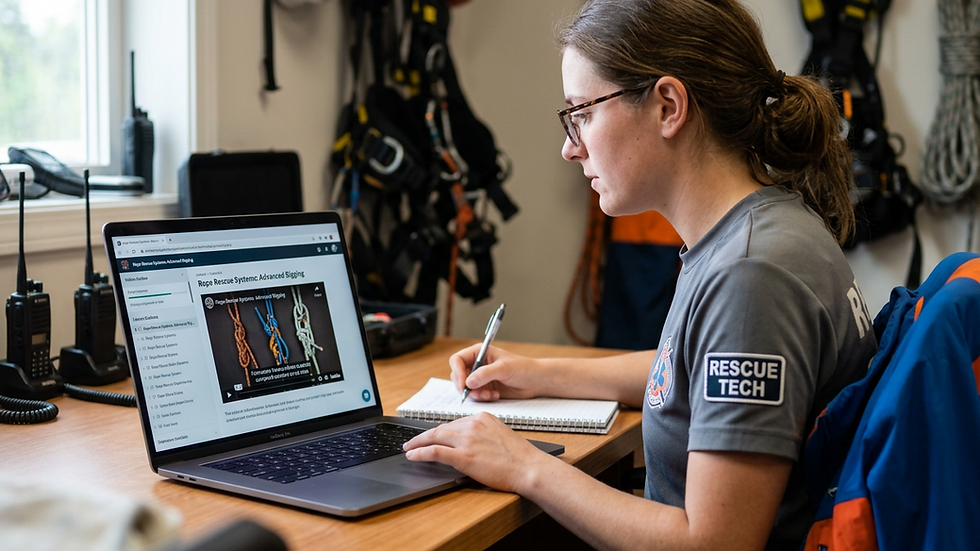
One of the best parts? CPD training often includes interactive workshops and live drills, not just classroom theory. This hands-on approach cements learning and builds muscle memory, so when you’re on the scene, your actions are instinctive and precise.
Is a CPD Certificate Recognised in the UK?
You might wonder, “Does a CPD certificate actually hold weight in the UK?” The answer is a resounding yes - but with some nuances.
CPD certificates are widely recognised as evidence of ongoing professional development. They demonstrate that you have actively engaged in learning activities beyond your initial qualifications. This is particularly important in sectors like emergency services, where continuous improvement is critical.
However, it’s essential to ensure that the CPD training you undertake is accredited or endorsed by reputable bodies. This adds credibility and ensures the content meets industry standards. Many UK organisations and employers look for CPD records during appraisals, promotions, or when verifying competencies.
In practical terms, a CPD certificate can:
Support career progression.
Fulfil regulatory or organisational requirements.
Enhance your professional reputation.
Provide peace of mind that your skills are up to date.
So, while a CPD certificate is not a licence to practice, it is a valuable asset in your professional toolkit.

How to Choose the Right CPD Training for First Responders
With so many options available, selecting the right CPD training can feel overwhelming. Here are some tips to help you make an informed choice:
Identify your learning needs: What skills or knowledge gaps do you want to address? Are you focusing on medical care, technical rescue, or leadership?
Check accreditation: Look for courses recognised by professional bodies or emergency services organisations.
Consider delivery format: Do you prefer in-person workshops, online modules, or blended learning? Each has its pros and cons.
Look for practical content: Hands-on training and scenario-based exercises are invaluable.
Review trainer expertise: Experienced instructors with real-world backgrounds add immense value.
Assess flexibility and duration: Can you fit the training into your schedule without compromising operational duties?
For example, if you’re part of a heavy rescue team, a course focusing on the latest vehicle extrication techniques and equipment will be more beneficial than a general first aid update.
Remember, CPD is an ongoing journey, not a one-off event. Regularly revisiting your training plan ensures you stay ahead of the curve.
Integrating CPD into Your Rescue Organisation’s Culture
Embedding CPD into the fabric of your organisation can elevate overall performance and morale. Here’s how to make it happen:
Lead by example: Encourage senior staff and team leaders to participate actively in CPD.
Set clear expectations: Define CPD requirements and goals for all team members.
Provide resources and support: Allocate time and budget for training activities.
Celebrate achievements: Recognise and reward those who complete CPD milestones.
Foster a learning environment: Promote knowledge sharing and open discussions about new techniques and lessons learned.
By making CPD a priority, your organisation signals its commitment to excellence and safety. This culture of continuous improvement can be a game-changer in high-stakes rescue operations.
Staying Ahead with CPD: A Personal Commitment
At the end of the day, CPD is about personal responsibility as much as organisational policy. I’ve seen firsthand how investing time in CPD transforms responders from good to great. It’s like sharpening a blade - the more you hone your skills, the more effective you become.
If you’re ready to take your capabilities to the next level, explore the range of cpd for uk first responders available. Whether it’s mastering new rescue tools or refining your medical response, CPD is your pathway to confidence and competence.
Remember, every minute spent learning today could save a life tomorrow. So why wait? Dive into CPD training and be the responder who makes a difference when it matters most.


Comments