


Comprehensive RTC Rescue Training Materials UK

When it comes to road traffic collision (RTC) rescue, having the right training materials is not just helpful - it’s essential. The difference between life and death often hinges on the skills and knowledge of those first on the scene. That’s why I’m diving deep into the world of rescue training materials UK to help you understand what’s available, what’s effective, and how to get the most out of your training resources.
Let’s face it - rescue operations are complex, fast-paced, and require precision. You need materials that are clear, practical, and up-to-date. So, buckle up as we explore the essentials of RTC rescue training, the best resources, and how to stay ahead in this critical field.
Why Rescue Training Materials UK Matter
In the UK, rescue teams face unique challenges. From narrow country roads to busy motorways, the scenarios vary widely. That’s why rescue training materials UK are tailored to meet these specific demands. They cover everything from vehicle extrication techniques to managing hazardous materials and patient care.
Think of these materials as your toolkit. Without the right tools, even the most skilled technician can struggle. Good training materials provide:
Step-by-step procedures that are easy to follow under pressure.
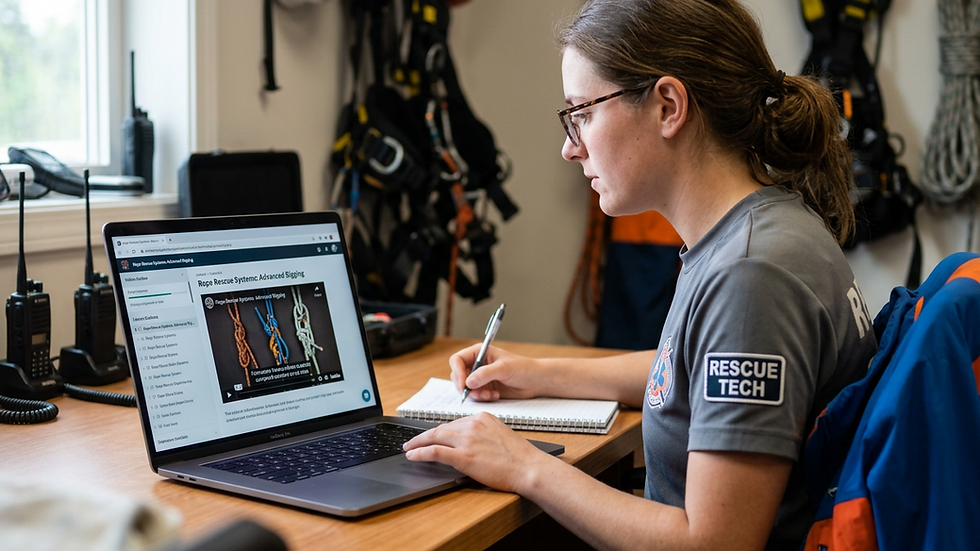
Visual aids like diagrams and videos to clarify complex techniques.
Scenario-based exercises that simulate real-life incidents.
Updates on the latest rescue technology and methods.
These resources ensure that every member of the rescue team is confident and competent, ready to act swiftly and safely.

What Training is Required for Search and Rescue?
Search and rescue (SAR) is a broad field, but when it comes to RTC, specific training is crucial. The training must cover a range of skills, including:
Vehicle Stabilisation - Before any rescue, the vehicle must be secured to prevent further movement.
Access and Extrication Techniques - Learning how to safely remove victims using hydraulic tools, cutting equipment, and manual methods.
Medical First Response - Basic trauma care to stabilise patients until paramedics arrive.
Hazard Management - Identifying and mitigating risks such as fuel leaks, electrical hazards, and unstable debris.
Communication and Coordination - Working seamlessly with other emergency services and command units.
Training courses often combine classroom learning with hands-on practice. This blend ensures that rescuers not only understand the theory but can apply it in high-pressure situations. Regular refresher courses are also vital to keep skills sharp and knowledge current.
Exploring the Best RTC Rescue Training Materials
So, what makes training materials stand out? From my experience, the best resources share some common traits:
Clarity and Simplicity: Complex procedures broken down into manageable steps.
Visual Learning: Diagrams, photos, and videos that show exactly what to do.
Realistic Scenarios: Case studies and simulations that mimic actual incidents.
Accessibility: Materials that can be accessed on-site or remotely, via print or digital formats.
For example, manuals that include detailed illustrations of vehicle anatomy help rescuers understand where to cut without causing further harm. Videos demonstrating the use of hydraulic spreaders and cutters provide a visual guide that’s hard to beat.
One resource I often recommend is the rtc rescue training materials hub. It offers a comprehensive collection of up-to-date guides, videos, and interactive content designed specifically for road traffic collision rescue. This platform is a goldmine for anyone serious about advancing their skills.

How to Maximise the Use of Rescue Training Materials
Having great materials is one thing - using them effectively is another. Here are some tips to get the most out of your training resources:
Integrate Theory with Practice: Don’t just read or watch. Practice the techniques regularly in controlled environments.
Use Scenario-Based Drills: Create realistic drills that challenge your team to apply what they’ve learned.
Encourage Team Learning: Rescue is a team effort. Discuss materials together and share insights.
Stay Updated: Rescue techniques evolve. Make it a habit to review new materials and attend refresher courses.
Leverage Technology: Use apps and online platforms for quick reference during training or even on-scene.
Remember, training materials are not static. They should evolve with your experience and the latest industry standards. Think of them as a living document that grows with your team’s expertise.
The Future of RTC Rescue Training Materials UK
The landscape of rescue training is changing fast. Advances in technology, vehicle design, and medical care mean that training materials must keep pace. Here’s what I see on the horizon:
Virtual Reality (VR) Simulations: Immersive training that puts rescuers in lifelike scenarios without the risks.
Interactive E-Learning Modules: Self-paced courses with quizzes and feedback to reinforce learning.
Data-Driven Training: Using incident data to tailor training materials to the most common and dangerous scenarios.
Collaborative Platforms: Online communities where rescuers can share experiences, tips, and updates.
These innovations will make training more engaging, effective, and accessible worldwide. For those involved in heavy rescue and road trauma, staying connected to these developments is crucial.
Building a Culture of Continuous Learning
At the end of the day, the best rescue outcomes come from teams committed to continuous improvement. Training materials are the foundation, but the mindset matters just as much. Encourage curiosity, practice regularly, and never settle for “good enough.”
By investing time in quality rtc rescue training materials, you’re not just ticking a box. You’re building confidence, competence, and ultimately saving lives. It’s a responsibility and a privilege that every rescuer shares.
So, what’s your next step? Dive into the latest resources, organise a training day, or explore new technologies. The road to excellence in rescue starts with the right materials and the will to learn.
If you want to explore more about advanced rescue training, check out the rtc rescue training materials for a comprehensive collection tailored to your needs.


Comments