


How rtc rescue planning Saves Lives

When seconds count, every move matters. In the world of road traffic collisions (RTC), having a solid rescue plan is not just a good idea - it’s a lifesaver. I’ve seen firsthand how well-prepared teams can turn chaos into coordinated action, dramatically improving outcomes for victims. So, what makes rtc rescue planning so crucial? Let’s dive into the nuts and bolts of how these plans save lives and why they should be at the heart of every rescue operation.
The Critical Role of rtc rescue planning
Imagine arriving at a crash scene with no clear plan. Confusion reigns, time slips away, and the chances of saving lives diminish. That’s where rtc rescue planning steps in. It’s the blueprint that guides responders through the chaos, ensuring every action is purposeful and efficient.
A well-crafted plan covers everything from initial assessment to victim extrication and medical handover. It anticipates challenges like vehicle instability, hazardous materials, and victim entrapment. By preparing for these scenarios in advance, teams can act swiftly and safely.
For example, a rescue plan might specify the order of vehicle stabilisation, the tools needed for cutting through metal, and the roles of each team member. This clarity reduces hesitation and overlaps, making the rescue smoother and faster.
Key elements of rtc rescue planning include:
Scene safety and risk assessment
Communication protocols
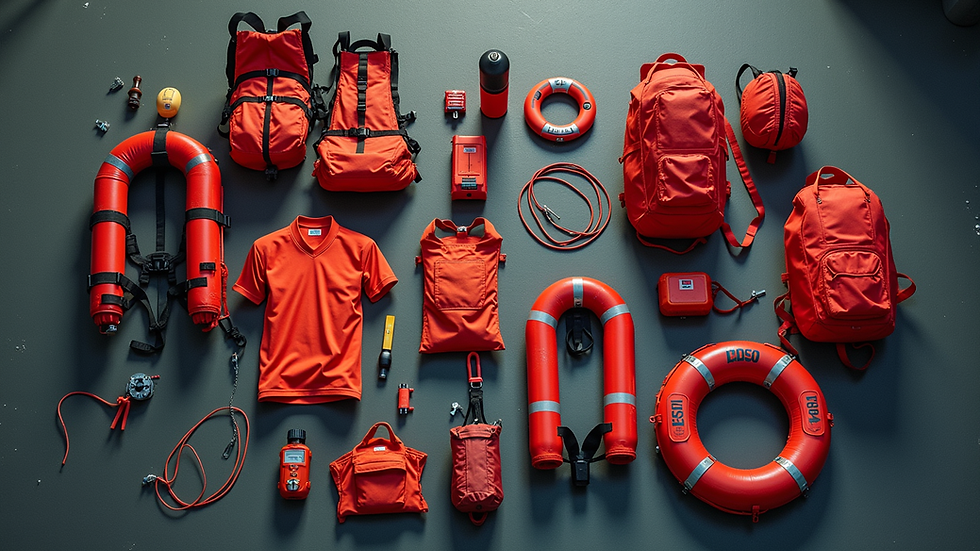
Equipment readiness and deployment
Victim assessment and prioritisation
Extrication techniques and timing
Without these, responders risk wasting precious minutes figuring out what to do next.

How Training Enhances Rescue Plans
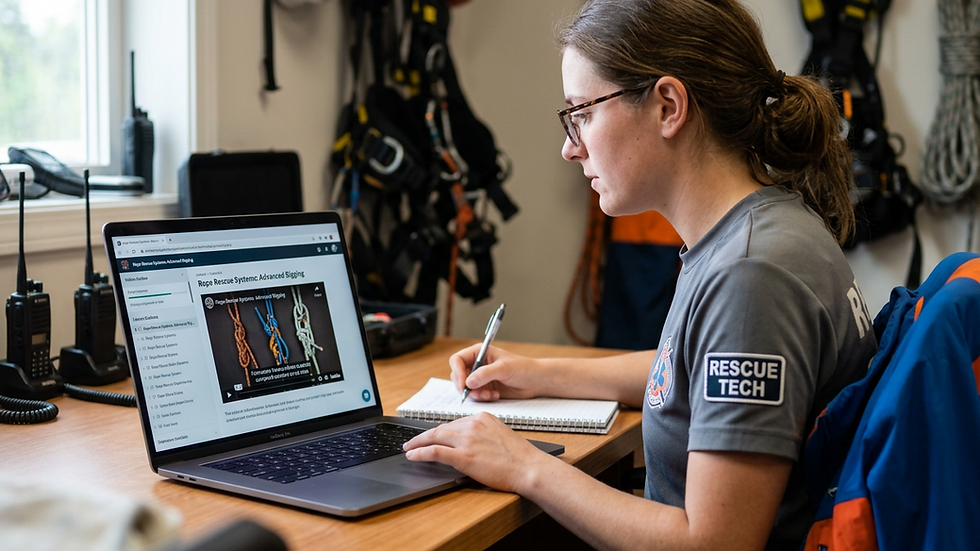
A plan is only as good as the people executing it. That’s why continuous training is vital. Rescue organisations invest heavily in drills and simulations to keep skills sharp and knowledge current.
Training familiarises teams with the latest extrication tools and techniques. It also builds muscle memory, so responders react instinctively under pressure. When a real incident occurs, this preparation translates into faster, safer rescues.
Take, for instance, the use of hydraulic cutters and spreaders. Without proper training, these tools can cause more harm than good. But with practice, responders can quickly and precisely free trapped victims, minimising injury.
Moreover, training encourages teamwork and communication. Rescue operations are complex, involving multiple agencies and specialists. Regular exercises help iron out coordination issues and establish trust among team members.
Practical training tips include:
Conduct scenario-based drills regularly
Update training materials with new rescue techniques
Include cross-agency collaboration exercises
Review and refine rescue plans post-training
This ongoing commitment to learning ensures rescue plans remain effective and adaptable.
The Technology Behind Effective Rescue Planning
Technology is a game-changer in rtc rescue planning. From vehicle design data to real-time communication tools, technology equips responders with critical information and capabilities.
Modern vehicles are built with complex safety features like airbags, reinforced pillars, and high-strength steel. Knowing how these affect extrication is essential. Rescue teams now use digital databases to access vehicle-specific rescue sheets instantly. This knowledge helps avoid triggering airbags or cutting into dangerous areas.
Communication technology also plays a pivotal role. Radios, mobile apps, and incident management software keep teams connected and informed. This reduces misunderstandings and speeds up decision-making.
Drones and thermal imaging cameras provide aerial and night-time views of crash scenes, revealing hazards and victim locations that might be missed otherwise.
Examples of technology in rescue planning:
Vehicle manufacturer rescue guides
Real-time GPS tracking of rescue units
Incident command software for resource allocation
Drones for scene assessment
Embracing these tools enhances situational awareness and operational efficiency.
Practical Steps to Develop a Robust Rescue Plan
Creating an effective rtc rescue plan might seem daunting, but breaking it down into manageable steps makes it achievable. Here’s a straightforward approach I recommend:
Assess Risks and Hazards
Identify common collision types and associated dangers in your area. Consider vehicle types, road conditions, and environmental factors.
Define Roles and Responsibilities
Assign clear roles to team members. Who leads the scene? Who handles extrication? Who manages medical care?
Standardise Procedures
Develop step-by-step protocols for scene safety, victim assessment, and extrication. Use checklists to ensure nothing is overlooked.
Equip and Train
Ensure all necessary tools are available and in good condition. Train teams regularly on equipment use and rescue techniques.
Test and Review
Conduct drills simulating various scenarios. After each exercise, review performance and update the plan accordingly.
Communicate and Collaborate
Establish communication channels with local emergency services and hospitals. Share your plan and coordinate joint responses.
By following these steps, rescue organisations can build plans that are practical, comprehensive, and adaptable.
Why rtc rescue planning is a Lifesaver
At the end of the day, rtc rescue planning is about saving lives. It transforms a chaotic, dangerous scene into a controlled operation where every second counts. When responders know exactly what to do and how to do it, victims get the care they need faster.
I’ve witnessed situations where a well-executed rescue plan made the difference between life and death. It’s not just about cutting metal or pulling people out of wreckage. It’s about orchestrating a complex dance of safety, speed, and skill.
If you want to deepen your understanding and skills, consider exploring resources like rtc rescue. They offer advanced training and up-to-date techniques that empower rescue teams worldwide.
Remember, the best rescue plan is one that’s practiced, refined, and ready to deploy at a moment’s notice. Because when lives hang in the balance, preparation is the ultimate lifesaver.


Comments