


Essential RTC Rescue Training Materials for Effective Road Traffic Collision Response

Updated: May 4
When seconds count, having the right training materials can make all the difference in a road traffic collision (RTC) rescue. The skills and knowledge gained through well-designed training prepare responders to act swiftly and safely, improving outcomes for victims. But what exactly should these training materials include? How can rescue teams ensure they are using the best resources to stay sharp and ready?
In this post, I’ll walk you through the essential components of RTC rescue training materials. I’ll also highlight some practical examples of products that can support your training efforts. Whether you’re a firefighter, clinician, or vehicle technician, understanding these materials will help you build confidence and competence in the field.
What Makes RTC Rescue Training Materials Essential?
Training materials for RTC rescue must cover a wide range of skills and knowledge areas. The goal is to prepare responders for the unpredictable and often dangerous conditions they will face at collision scenes. Here are the key elements that every effective training package should include:
Technical Rescue Techniques
This includes vehicle stabilisation, extrication methods, and safe use of rescue tools. Training should teach responders how to approach different vehicle types and collision scenarios.
Medical Response and Patient Care
Understanding how to assess and manage trauma injuries on-site is critical. Training materials should cover basic life support, spinal immobilisation, and rapid patient extraction.
Scene Safety and Risk Management
Responders must learn how to secure the scene, manage hazards like fuel leaks or unstable vehicles, and coordinate with other emergency services.
Communication and Teamwork
Effective rescue depends on clear communication and coordinated efforts. Training should include protocols for radio use, hand signals, and leadership roles.
Legal and Ethical Considerations
Awareness of legal responsibilities and ethical issues ensures that responders act within guidelines and respect patient rights.
Each of these areas requires detailed, practical content supported by visuals, step-by-step guides, and hands-on exercises. Without comprehensive materials, training risks being incomplete or ineffective.

Rescue teams practicing vehicle extrication techniques during hands-on training.
Recommended Products to Support RTC Rescue Training
To build a strong training programme, it helps to have reliable products that provide realistic practice and clear instruction. Here are two examples of training materials that I’ve found particularly useful:
1. Rescue Training Mannequin
A high-quality rescue training mannequin is invaluable for practising patient handling and extrication. These mannequins simulate human anatomy and weight, allowing responders to rehearse lifting, stabilising, and moving casualties safely.
Description: Durable, anatomically correct mannequins designed for extrication drills and medical response training. They often include features like airway management and trauma simulation.
Benefits: Provides realistic practice without risk to real patients. Helps responders develop muscle memory and confidence in patient care.
Example: The Rescue Training Mannequin offers lifelike features and rugged construction for repeated use in various training scenarios.
2. Vehicle Extrication Training Kit
This kit includes tools and instructional materials tailored for vehicle rescue training. It covers stabilisation devices, cutting tools, and step-by-step guides for different extrication techniques.
Description: A comprehensive set of rescue tools combined with manuals and videos to teach safe and effective vehicle extrication.
Benefits: Enables hands-on learning with real equipment. Helps teams understand tool functions and develop coordinated rescue strategies.
Example: The Vehicle Extrication Training Kit is designed for rescue teams to practice stabilisation, cutting, and patient removal in controlled environments.
Both these products complement each other well. The mannequin allows for patient-focused drills, while the extrication kit focuses on vehicle and scene management. Together, they form a solid foundation for any RTC rescue training programme.
How to Use Training Materials Effectively
Having the right materials is only part of the equation. How you use them matters just as much. Here are some tips to get the most out of your RTC rescue training materials:
Combine Theory with Practice
Start with clear, concise instructional content. Follow up with hands-on exercises using mannequins and tools. This approach helps embed knowledge and skills.
Simulate Realistic Scenarios
Create training scenarios that mimic real collision scenes. Include challenges like vehicle instability, limited access, and multiple casualties.
Encourage Teamwork
Rescue is a team effort. Use materials that promote communication and role clarity. Practice working together under pressure.
Review and Reflect
After drills, hold debrief sessions. Discuss what went well and what could improve. Use feedback to adjust training materials and methods.
Keep Materials Updated
Rescue techniques evolve. Regularly review and update your training resources to include the latest best practices and tools.
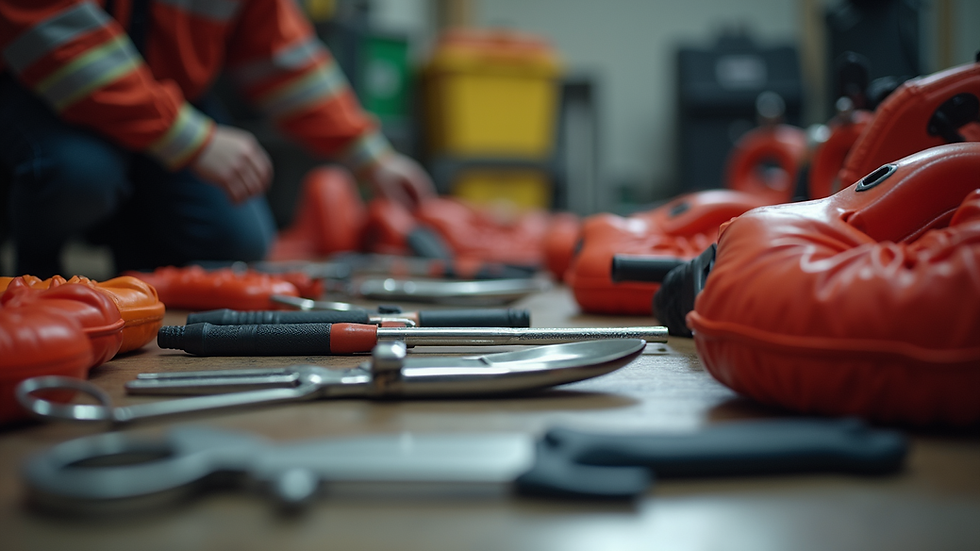
Close-up of rescue tools arranged for a hands-on training session.
The Role of Digital and Online Resources
In today’s connected world, digital training materials add great value. Videos, interactive modules, and online manuals allow responders to learn at their own pace and revisit content as needed.
For example, some training kits come with access to online platforms featuring:
Step-by-step video tutorials
Quizzes to test knowledge
Downloadable guides and checklists
These resources complement physical training and help maintain skills between sessions. They also make it easier to train new team members quickly.
The Importance of Continuous Learning
Continuous learning is vital in the field of RTC rescue. The landscape of emergency response is always changing. New techniques, tools, and best practices emerge regularly. Therefore, it’s essential to stay informed and adaptable.
Engaging in Regular Training Sessions
Regular training sessions keep skills sharp. They also provide opportunities to practice new techniques. Schedule frequent drills that incorporate both old and new skills. This ensures that all team members are up to date.
Attending Workshops and Seminars
Participating in workshops and seminars can enhance knowledge. These events often feature experts who share insights on the latest trends and technologies in rescue operations. They also provide networking opportunities with other professionals in the field.
Seeking Feedback and Improvement
Feedback is a powerful tool for growth. After each training session, encourage team members to share their thoughts. What worked well? What could be improved? Use this feedback to refine training materials and methods.
Final Thoughts on RTC Rescue Training Materials
Effective rescue training depends on having the right materials that cover all critical aspects of road traffic collision response. From technical skills to patient care and scene safety, comprehensive resources build confidence and competence.
Using products like a rescue training mannequin and a vehicle extrication training kit can bring your training to life. They provide realistic practice opportunities that prepare teams for the challenges they will face.
Remember, training is an ongoing process. Keep your materials current, combine theory with hands-on drills, and foster teamwork. This approach will help you save lives and improve outcomes at RTC scenes.
If you want to explore more about rtc rescue training materials, check out trusted suppliers and training providers who specialise in this field. Investing in quality resources today means better preparedness tomorrow.

Rescue team conducting a training exercise at a simulated road traffic collision scene.
By focusing on practical, well-rounded training materials, rescue teams can stay ready for any road traffic emergency. The right tools and knowledge save time, reduce risks, and ultimately save lives.


Comments