


Understanding Road Traffic Incidents and Responses

Road traffic incidents are complex events that demand swift, precise, and coordinated responses. Whether you are part of a rescue organisation, a first responder, or a vehicle technician, understanding the dynamics of these incidents is crucial. The stakes are high, and every second counts when lives hang in the balance. Let’s dive into the anatomy of road traffic incidents, explore effective response strategies, and discuss how continuous training can sharpen the skills needed to save lives.
The Anatomy of Road Traffic Incidents
Road traffic incidents are not just collisions; they are multifaceted emergencies involving vehicles, people, and often unpredictable environments. At their core, these incidents can range from minor fender-benders to catastrophic crashes involving multiple vehicles and casualties.
What Causes These Incidents?
Common causes include:
Driver error: distraction, fatigue, or impaired driving.
Environmental factors: poor weather, low visibility, or road conditions.
Mechanical failure: brake failure, tyre blowouts, or steering issues.
Road design: sharp bends, inadequate signage, or poorly maintained surfaces.
Understanding these causes helps responders anticipate the scene’s challenges. For example, a crash on a wet, winding road may require different tactics than one on a dry, straight highway.
The Impact on Rescue Operations
Each incident’s unique nature affects how rescue teams approach the scene. The type of vehicles involved, the number of casualties, and the presence of hazardous materials all influence the response plan. For instance, heavy rescue operations involving trucks or buses require specialised equipment and techniques compared to passenger car incidents.

Responding to Road Traffic Incidents: Key Priorities
When arriving at a road traffic incident, the first few moments are critical. The response must be methodical yet flexible, balancing speed with safety.
Scene Safety and Assessment
Before rushing in, securing the scene is paramount. This includes:
Establishing a safe perimeter to protect responders and victims.
Identifying hazards such as leaking fuel, unstable vehicles, or live electrical wires.
Assessing the number and condition of casualties to prioritise care.
This initial assessment sets the tone for the entire operation. It’s like setting the foundation before building a house—skip it, and everything else risks collapse.
Triage and Immediate Care
Once the scene is secure, triage begins. This process sorts casualties based on the severity of their injuries and the urgency of treatment. First responders must quickly decide who needs immediate attention and who can wait.
Primary survey: Check airway, breathing, and circulation.
Control bleeding: Apply pressure or tourniquets as needed.
Immobilise fractures: Prevent further injury during extrication.
Effective triage ensures that limited resources are used where they can save the most lives.
Extrication Techniques
Extrication is often the most challenging part of a rescue. Vehicles can be mangled, trapping occupants in precarious positions. Using hydraulic tools, cutting equipment, and stabilisation devices, rescue teams work to free victims safely.
Plan the extrication: Identify the safest and quickest way out.
Communicate clearly: Coordination between team members is vital.
Protect the patient: Use padding and spinal precautions.
Extrication is a delicate dance between urgency and caution. One wrong move can worsen injuries or endanger rescuers.
Training and Equipment: The Backbone of Effective Response
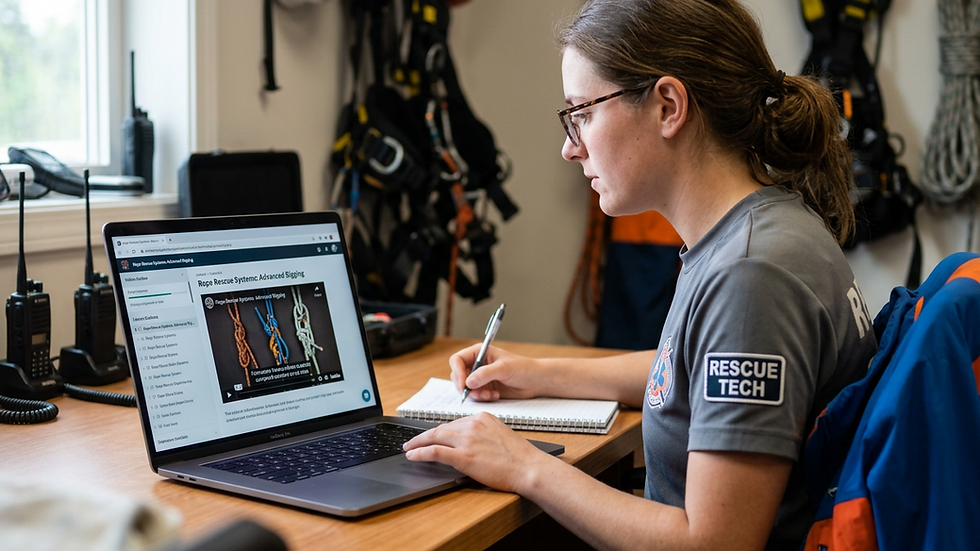
No matter how skilled the team, without proper training and equipment, the response will falter. Continuous education and access to cutting-edge tools are non-negotiable.
Advanced Rescue Training
Training should cover:
Latest extrication techniques: Including stabilisation and cutting methods.
Medical care updates: Trauma management and casualty handling.
Scenario-based drills: Simulating real-life incidents to build muscle memory.
Training is not a one-off event but a continuous journey. It’s like sharpening a blade—neglect it, and it dulls.
Equipment Essentials
Modern rescue operations rely on:
Hydraulic cutters and spreaders: For vehicle access.
Stabilisation devices: To secure vehicles and prevent movement.
Personal protective equipment (PPE): To safeguard responders.
Communication tools: Radios and signalling devices for coordination.
Investing in the right gear can mean the difference between a successful rescue and a tragic outcome.

The Role of Collaboration and Communication
Road traffic incidents often involve multiple agencies: fire services, ambulance crews, police, and sometimes hazardous materials teams. Seamless collaboration is essential.
Coordinated Command Structure
A clear command hierarchy ensures:
Efficient resource allocation.
Unified communication channels.
Reduced confusion and duplication of efforts.
Incident commanders must maintain situational awareness and adapt plans as the scene evolves.
Information Sharing
Sharing real-time information about casualties, hazards, and progress helps all teams work in sync. Technology such as mobile data terminals and incident management software can enhance this flow.
Community and Bystander Management
Managing onlookers and bystanders is often overlooked but critical. Crowds can hinder rescue efforts or create additional hazards. Clear communication and crowd control measures help maintain order.
Looking Ahead: Continuous Improvement in Road Traffic Incident Response
The landscape of road traffic incident response is always evolving. New vehicle technologies, changing traffic patterns, and emerging rescue techniques require ongoing adaptation.
Embracing Innovation
From electric vehicles to autonomous driving systems, new challenges arise. Rescue teams must stay informed and adapt their methods accordingly.
Sharing Knowledge Globally
Platforms that facilitate the exchange of best practices and lessons learned help raise standards worldwide. This collective intelligence strengthens every rescue organisation.
Commitment to Excellence
Ultimately, the goal is to improve outcomes for victims of road trauma. This means investing in people, training, equipment, and research. It’s a commitment to being ready for whatever the road throws at us.
Understanding the complexities of road traffic incidents and honing our response capabilities is not just a professional duty—it’s a mission. By combining knowledge, skill, and teamwork, we can make a real difference when seconds matter most.
For more detailed insights and training resources, explore the latest in Road Traffic Collision response techniques and innovations.


Comments