


RTC Rescue Insights: Understanding RTC Rescue and Its Impact

When it comes to road traffic collisions and heavy rescue operations, every second counts. The ability to respond swiftly and effectively can mean the difference between life and death. That’s where RTC Rescue steps in. But what exactly is it, and why does it matter so much? Let’s dive deep into the world of RTC Rescue and explore its profound impact on rescue operations worldwide.
What Is RTC Rescue?
RTC Rescue is a specialised approach and training programme designed to equip rescue teams with the latest techniques and knowledge for handling road traffic collisions (RTCs) and heavy rescue scenarios. It’s not just about cutting metal or pulling people from wreckage; it’s about understanding the entire ecosystem of a rescue operation - from scene safety to patient care.
Think of it as a toolkit that evolves constantly. Just like software updates improve your phone’s performance, RTC Rescue training updates rescue teams with cutting-edge skills and strategies. This ensures that responders are always ready to face new challenges on the road.
Why Does RTC Rescue Matter?
Imagine arriving at a crash scene where every detail matters - the position of the vehicle, the type of injuries, the risk of fire or explosion. Without proper training, responders might waste precious minutes or even put themselves in danger. RTC Rescue bridges that gap by providing:
Advanced technical skills for vehicle extrication
Enhanced scene management techniques
Improved patient handling protocols
Collaborative strategies for multi-agency response
This holistic approach not only saves lives but also protects the rescuers themselves.

RTC Rescue Insights: Training That Transforms
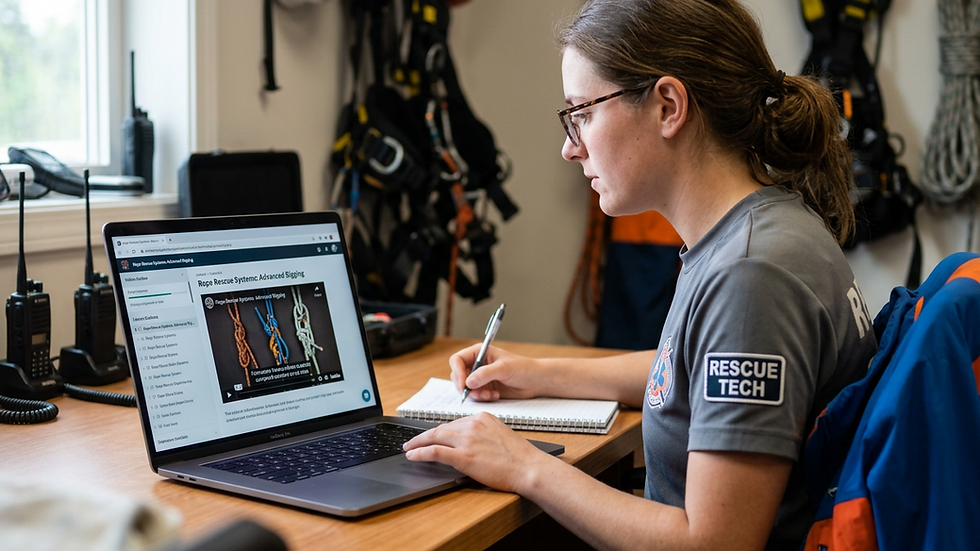
Training is the backbone of any successful rescue operation. RTC Rescue insights reveal that continuous education and hands-on practice are vital. It’s not enough to learn once and hope for the best. The landscape of road traffic incidents is constantly changing with new vehicle technologies, materials, and safety systems.
For example, electric and hybrid vehicles present unique challenges due to high-voltage systems. RTC Rescue training ensures responders know how to safely disable these systems before starting extrication. This kind of knowledge can prevent secondary injuries or fires.
Moreover, RTC Rescue training emphasises teamwork. Rescue operations often involve firefighters, clinicians, technical rescue teams, and workshop technicians working side by side. Understanding each other’s roles and communication styles can streamline the entire process.
Practical Training Elements Include:
Vehicle anatomy and safety features
Extrication tool handling and maintenance
Patient assessment and stabilisation
Scene risk assessment and management
Inter-agency coordination drills
By mastering these elements, teams become more confident and efficient in real-world scenarios.

The Ripple Effect: How RTC Rescue Impacts Outcomes
The impact of RTC Rescue goes beyond the immediate rescue scene. It creates a ripple effect that improves overall emergency response and patient outcomes. Here’s how:
Faster extrication times mean patients receive medical care sooner, reducing complications.
Safer operations reduce injuries among rescuers, keeping teams intact and ready for future calls.
Better communication leads to smoother handovers between rescue and medical teams.
Knowledge sharing spreads best practices globally, raising standards everywhere.
Think of it like a well-oiled machine. When every cog works perfectly, the whole system runs smoothly. RTC Rescue ensures that machine is finely tuned.
Implementing RTC Rescue in Your Organisation
Adopting RTC Rescue principles requires commitment but pays off handsomely. Here are some actionable steps to get started:
Assess current training gaps: Identify areas where your team could improve, whether in technical skills or communication.
Engage with certified RTC Rescue trainers: Learning from experts ensures your team gets the most up-to-date information.
Invest in realistic simulation exercises: Practice makes perfect, especially when lives are on the line.
Foster a culture of continuous learning: Encourage team members to share experiences and lessons learned.
Collaborate with other agencies: Joint training sessions build trust and understanding across disciplines.
By following these steps, organisations can build resilience and readiness for any road traffic collision scenario.
Looking Ahead: The Future of RTC Rescue
The world of rescue is evolving rapidly. New vehicle technologies, changing road conditions, and emerging hazards demand that rescue teams stay ahead of the curve. RTC Rescue is not static; it’s a dynamic, ever-improving field.
Future developments may include:
Integration of augmented reality (AR) for training and on-scene guidance
Advanced data analytics to predict and prepare for high-risk scenarios
Enhanced personal protective equipment (PPE) tailored for rescue operations
Global knowledge networks to share innovations and success stories
Staying connected to these advancements ensures that rescue teams remain effective and safe.
If you want to explore more about how to enhance your rescue capabilities, consider visiting rtc rescue for comprehensive resources and training programmes.
Embracing the Challenge
Understanding RTC Rescue and its impact is more than just academic. It’s about embracing a mindset of preparedness, adaptability, and collaboration. Every rescue operation is a complex puzzle, and RTC Rescue provides the pieces needed to solve it efficiently.
By investing in the right training, tools, and teamwork, rescue organisations can make a tangible difference in the lives of those affected by road traffic collisions. It’s a commitment to excellence that pays dividends in safety, speed, and success.
So, are you ready to take your rescue skills to the next level? The road ahead is challenging, but with RTC Rescue insights guiding the way, it’s a journey worth taking.


Comments