


Managing Road Traffic Collisions Effectively: Collision Management Strategies

Road traffic collisions are complex events that demand swift, coordinated, and knowledgeable responses. When seconds count, having a clear strategy can mean the difference between life and death. Over the years, I’ve seen how effective collision management strategies can transform chaotic scenes into controlled environments, improving outcomes for victims and responders alike. Let’s dive into the essentials of managing these incidents with precision and care.
Collision Management Strategies: The Backbone of Effective Response
When a collision occurs, the first few moments are critical. The chaos can be overwhelming, but a well-rehearsed plan turns confusion into action. Here are some key strategies that I’ve found invaluable:
Scene Safety and Assessment: Before rushing in, ensure the scene is safe for responders and victims. Look for hazards like leaking fuel, unstable vehicles, or oncoming traffic.
Rapid Triage and Prioritisation: Quickly identify who needs urgent medical attention. This triage process helps allocate resources efficiently.
Clear Communication Channels: Use radios or other communication tools to keep all teams informed. Miscommunication can cause delays or accidents.
Resource Allocation: Deploy the right equipment and personnel based on the collision’s severity and complexity.
Traffic Control: Manage the flow of traffic around the scene to prevent secondary collisions and allow emergency vehicles easy access.
Documentation and Evidence Preservation: Record details for legal and investigative purposes without compromising rescue efforts.
These strategies are not just theoretical. They are the pillars that support every successful rescue operation I’ve been part of. They require training, practice, and constant refinement.

What is the meaning of traffic collision?
Understanding the term "traffic collision" is fundamental. Simply put, a traffic collision occurs when two or more vehicles, pedestrians, or objects come into unintended contact on a road or highway. This contact can result in damage, injury, or even fatalities. It’s not just about cars crashing; it includes incidents involving motorcycles, bicycles, pedestrians, and stationary objects.
Traffic collisions vary widely in nature:
Minor collisions: Often involve low-speed impacts with minimal damage.
Major collisions: High-speed crashes with significant damage and potential casualties.
Multi-vehicle pile-ups: Complex incidents involving several vehicles, often on busy highways.
Each type demands a tailored response. Knowing the nature of the collision helps responders prepare the right tools and tactics.
The Role of Technology in Collision Management
Technology has revolutionised how we manage road traffic collisions. From the moment a collision is reported, technology aids in faster, safer, and more effective responses.
Drones and Aerial Surveillance: Provide a bird’s-eye view of the scene, helping to assess the scale and hazards without putting responders at risk.
Telematics and Vehicle Data: Modern vehicles often store crash data that can inform responders about impact severity and occupant status.
Communication Systems: Advanced radio networks and mobile apps ensure seamless coordination between different teams.
Rescue Tools: Hydraulic cutters, spreaders, and stabilisation devices have become more efficient and easier to deploy.
Integrating these technologies into training and daily operations is crucial. It’s like upgrading from a basic toolkit to a high-tech rescue lab.

Training and Preparedness: The Cornerstones of Success
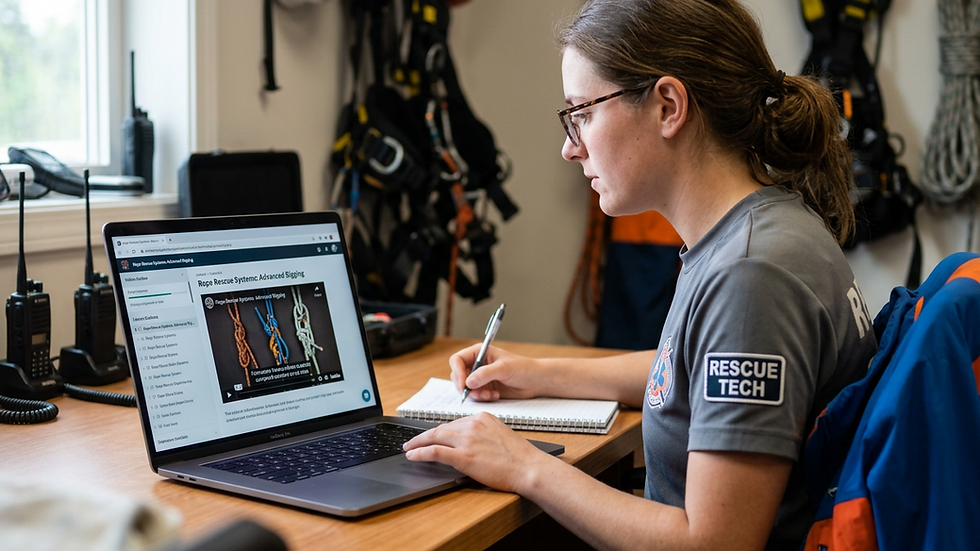
No matter how advanced the tools or strategies, the human factor remains paramount. Training is the foundation that enables responders to act decisively and effectively.
Regular Drills and Simulations: Practising different collision scenarios builds muscle memory and confidence.
Cross-Disciplinary Training: Firefighters, clinicians, and technicians working together understand each other’s roles and challenges.
Continuous Learning: Staying updated with the latest rescue techniques and medical protocols ensures best practices.
Mental Preparedness: Managing stress and maintaining focus during high-pressure situations is as important as technical skills.
I’ve witnessed teams transform through rigorous training. It’s like sharpening a blade - the more you hone it, the better it performs when it matters most.
Post-Collision Management: Beyond the Rescue
The work doesn’t end when the victims are safe. Post-collision management is vital for recovery, investigation, and prevention.
Victim Care and Transport: Ensuring victims receive timely and appropriate medical care.
Scene Clearance: Removing debris and vehicles to restore normal traffic flow.
Investigation Support: Preserving evidence and assisting law enforcement in understanding the collision causes.
Debrief and Review: Analysing the response to identify strengths and areas for improvement.
Community Education: Sharing lessons learned to prevent future collisions.
Effective post-collision management closes the loop, turning a traumatic event into an opportunity for learning and improvement.
Managing road traffic collisions effectively is a demanding but rewarding challenge. By combining solid collision management strategies, embracing technology, investing in training, and focusing on comprehensive post-collision care, we can improve outcomes for everyone involved. After all, every second saved and every life protected is a victory worth striving for.


Comments