


Bespoke Course Planning for Customised Rescue Courses

When it comes to rescue operations, one size definitely does not fit all. The challenges faced by rescue teams vary widely depending on the environment, the type of incident, and the equipment available. That’s why customised rescue courses are essential. They equip teams with the precise skills and knowledge needed to save lives efficiently and safely. Let’s dive into how tailored training can transform rescue efforts and why it’s a game-changer for those on the front lines.
Why Customised Rescue Courses Matter
Imagine trying to fix a complex machine with a generic toolkit. You might get the job done, but it will take longer, and the risk of mistakes is higher. The same principle applies to rescue training. Generic courses can provide a foundation, but they often miss the nuances that make a real difference in the field.
Customised rescue courses focus on the specific needs of your team and the scenarios you’re most likely to encounter. Whether it’s heavy vehicle extrication, technical rope rescue, or advanced medical interventions, these courses hone in on the skills that matter most.
Key Benefits of Customised Training
Relevance: Training content is directly applicable to your operational environment.
Efficiency: Time spent training is maximised by focusing on critical skills.
Confidence: Teams feel more prepared and capable when training matches real-world challenges.
Safety: Tailored scenarios reduce the risk of accidents during both training and actual rescues.
By investing in customised rescue courses, teams can sharpen their edge and improve outcomes for those they serve.

Designing Customised Rescue Courses That Work
Creating a course that fits your team like a glove requires a thoughtful approach. It’s not just about ticking boxes on a checklist. It’s about understanding the unique demands your team faces and building a curriculum that addresses those head-on.
Step 1: Assess Your Team’s Needs
Start with a thorough assessment. What types of incidents do you respond to most often? What equipment do you have? What gaps exist in your current skill set? This might involve:
Reviewing past incident reports
Conducting skills audits
Gathering feedback from team members
Step 2: Define Clear Learning Objectives
Once you know where you stand, set specific goals. For example:
Mastering hydraulic rescue tools for heavy vehicle extrication
Enhancing patient stabilisation techniques in confined spaces
Improving communication and coordination during multi-agency responses
Clear objectives keep the training focused and measurable.
Step 3: Develop Scenario-Based Training
Theory is important, but nothing beats hands-on practice. Scenario-based training simulates real incidents, allowing teams to apply their skills under pressure. This approach builds muscle memory and decision-making abilities.
Step 4: Incorporate Latest Techniques and Equipment
Rescue technology and methods evolve rapidly. Customised courses should integrate the latest advancements to keep teams ahead of the curve. This might include:
New cutting tools and stabilisation devices
Updated medical protocols
Innovative communication systems
Step 5: Evaluate and Adapt
Training is not a one-off event. Continuous evaluation ensures the course remains relevant and effective. Collect feedback, monitor performance, and adjust the curriculum as needed.
The Role of Bespoke Course Planning in Rescue Training
When I talk about **Bespoke course planning**, I’m referring to a tailored approach that goes beyond standard training packages. It’s about crafting a learning experience that fits your team’s exact profile and operational context.
Think of it like tailoring a suit. Off-the-rack might fit okay, but a bespoke suit fits perfectly, enhancing comfort and performance. Similarly, bespoke course planning ensures every module, exercise, and assessment is designed with your team’s success in mind.
This approach is especially crucial for complex rescue operations where every second counts and precision is vital.

Practical Tips for Implementing Customised Rescue Courses
Getting started with customised rescue courses might seem daunting, but it doesn’t have to be. Here are some actionable recommendations to help you implement effective training:
Engage Experienced Trainers: Look for instructors with hands-on rescue experience and a deep understanding of your operational environment.
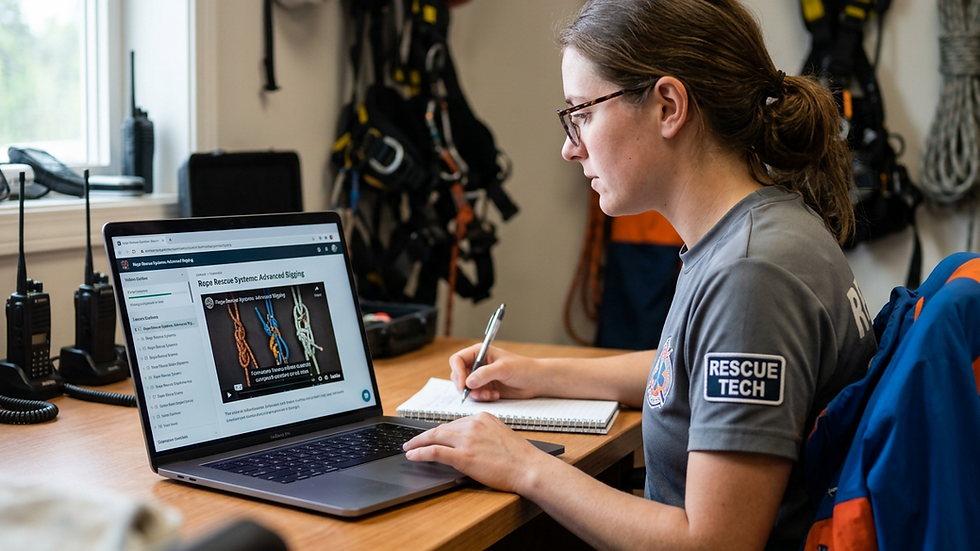
Leverage Technology: Use simulation tools, virtual reality, and e-learning modules to complement hands-on training.
Schedule Regular Refreshers: Skills degrade over time. Plan ongoing training sessions to keep your team sharp.
Foster Team Collaboration: Rescue operations are team efforts. Include exercises that build communication and coordination.
Document and Share Lessons Learned: After training and real incidents, review what worked and what didn’t to continuously improve.
Elevating Rescue Outcomes Through Tailored Training
At the end of the day, the goal is clear: save lives and reduce harm. Customised rescue courses are a powerful tool to achieve that. They empower teams with the right skills, confidence, and mindset to tackle any challenge.
By embracing tailored training, rescue organisations can stay ahead of evolving threats and technologies. It’s an investment that pays dividends in every mission, every rescue, every life saved.
If you’re ready to take your team’s capabilities to the next level, consider how bespoke course planning can make all the difference. It’s not just training - it’s a strategic advantage.
Customised rescue courses are more than just education. They are the foundation of effective, efficient, and safe rescue operations. With the right planning and execution, your team can be ready for whatever the road throws at them.


Comments