


Understanding RTC Rescue Techniques

When seconds count, knowing the right rescue techniques can make all the difference. Road traffic collisions (RTCs) are unpredictable, chaotic, and often dangerous scenes. Yet, with the right skills and knowledge, rescue teams can save lives and reduce trauma. Today, I want to take you through the essentials of RTC rescue techniques, breaking down what works, why it matters, and how to stay sharp in this critical field.
The Foundation of RTC Rescue Techniques
Before diving into specific methods, it’s crucial to understand the foundation of any rescue operation. RTC rescue techniques are built on a few core principles:
Safety first: Protect yourself, your team, and the casualty.
Assessment: Quickly evaluate the scene and the victim’s condition.
Stabilisation: Secure the vehicle and patient to prevent further injury.
Extrication: Carefully remove the casualty using the safest and fastest method.
Medical care: Provide immediate treatment and prepare for transport.
Think of it like building a house. You wouldn’t start with the roof, right? You need a solid base. In rescue, that base is safety and assessment. Without these, everything else falls apart.
Safety: The Non-Negotiable Starting Point
Imagine arriving at a crash scene where fuel is leaking, or the vehicle is precariously balanced. Jumping in without caution is like walking into a minefield blindfolded. Your first job is to secure the scene. This means:
Wearing appropriate personal protective equipment (PPE).
Establishing a safe working perimeter.
Identifying hazards such as fire, unstable vehicles, or hazardous materials.
Communicating clearly with your team.
Only when the scene is safe can you move forward confidently.
Key RTC Rescue Techniques You Need to Master
Now, let’s get into the nuts and bolts of the rescue itself. These techniques are the bread and butter of any rescue operation involving road traffic collisions.
Vehicle Stabilisation
Before you can touch the casualty, the vehicle must be stable. This prevents sudden movements that could worsen injuries or endanger rescuers. Common stabilisation methods include:
Using chocks or cribbing blocks to prevent rolling.
Applying tensioned straps or chains to anchor the vehicle.
Securing doors and windows to avoid unexpected openings.
Stabilisation is often overlooked but is critical. Think of it as putting the brakes on a runaway cart before you try to unload it.
Access and Egress
Getting to the casualty can be tricky. Vehicles may be crushed, doors jammed, or the patient trapped in awkward positions. Techniques here include:
Door removal or hinge cutting.
Windshield or window removal using specialised tools.
Roof removal or “dash roll” to create space.
Each method requires precision and care. The goal is to create a safe path without causing further harm.
Patient Packaging and Extrication
Once access is gained, the focus shifts to the casualty. Packaging means securing the patient for safe removal and transport. This involves:
Applying cervical collars to protect the spine.
Using spinal boards or vacuum mattresses.
Securing limbs and monitoring vital signs.
Extrication is the actual removal process. It can be as simple as guiding a conscious patient out or as complex as hydraulic cutting and lifting. The key is to minimise movement and trauma.

Tools and Equipment: Your Best Allies
No rescue technique stands alone without the right tools. Over the years, technology and equipment have evolved, making rescues faster and safer.
Hydraulic Rescue Tools
Often called the “jaws of life,” these tools can cut, spread, and lift metal with incredible force. They are essential for:
Cutting through vehicle frames.
Spreading doors or panels.
Lifting heavy debris.
Using these tools requires training and practice. They are powerful but can be dangerous if mishandled.
Manual Tools and Accessories
Not every situation calls for hydraulics. Sometimes, simple tools like:
Pry bars.
Glass breakers.
Seatbelt cutters.
These can be lifesavers in tight spots or when power tools aren’t available.
Personal Protective Equipment (PPE)
From helmets to gloves and eye protection, PPE is your shield. It protects against sharp edges, glass shards, and hazardous fluids. Never underestimate its importance.

Training and Continuous Learning: Staying Ahead
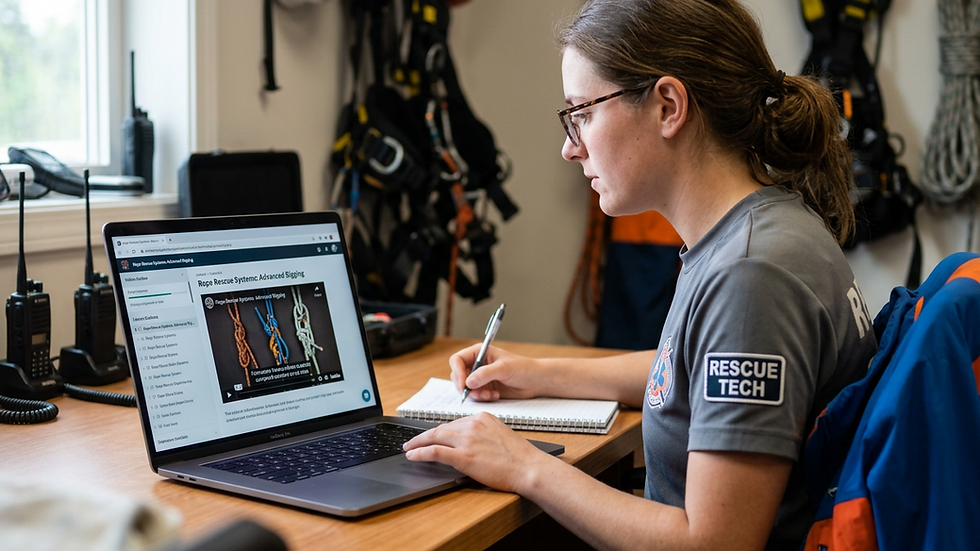
Rescue techniques are not static. They evolve with vehicle design, technology, and medical knowledge. That’s why ongoing training is vital.
Simulated scenarios: Practising in realistic environments builds muscle memory.
Cross-disciplinary training: Working alongside clinicians and fire teams improves coordination.
Reviewing incidents: Learning from past rescues sharpens decision-making.
I always say, training is like sharpening a knife. Without it, your skills dull, and when you need them most, they fail.
Why RTC Rescue Techniques Matter Globally
Road traffic collisions are a leading cause of death and injury worldwide. The difference between life and death often hinges on the rescue response. By mastering and sharing advanced rtc rescue techniques, rescue organisations can:
Reduce rescue times.
Minimise secondary injuries.
Improve patient outcomes.
Enhance team safety and efficiency.
This is why rtc rescue is more than just a skill set; it’s a commitment to saving lives and improving trauma care globally.
Building a Culture of Excellence in Rescue
Finally, it’s not just about techniques or tools. It’s about mindset. Rescue teams must foster:
Teamwork: Trust and communication are non-negotiable.
Adaptability: Every scene is different; flexibility is key.
Professionalism: Respect for the casualty and the mission.
Innovation: Embracing new methods and technologies.
By cultivating these values, rescue organisations can stay at the cutting edge and deliver the best possible care.
Mastering RTC rescue techniques is a journey, not a destination. It requires dedication, practice, and a passion for saving lives. Whether you’re stabilising a vehicle, cutting through metal, or packaging a patient, every action counts. So, keep learning, stay safe, and remember - your skills are the lifeline for those caught in the chaos of road traffic collisions.


Comments