


Reducing On Scene Time with EXIT Principles, U-STEP-OUT, Simplistic Space Creation, Self-Extrication, and Effective Rescue Planning

Updated: Jun 2
When every second counts at a road traffic collision, reducing on-scene time can save lives. The faster and more efficiently rescue teams work, the better the outcomes for victims. I’ve seen firsthand how applying clear principles and methods like EXIT, U-STEP-OUT, and simplistic space creation can transform rescue operations. Add in self-extrication techniques and well-orchestrated rescue planning, and you have a recipe for success.
Let’s explore how these strategies work together to speed up rescues, improve safety, and make the whole process smoother for everyone involved.

Rescue teams creating a safe and simple working space around a vehicle crash.
Understanding EXIT Principles and U-STEP-OUT
EXIT principles focus on efficient, safe, and controlled extrication of victims from vehicles. It’s about knowing what to do, when, and how to avoid delays or unnecessary risks. U-STEP-OUT is a practical mnemonic that guides rescuers through key steps to reduce on-scene time.
Here’s a quick breakdown of U-STEP-OUT:
Understand the situation: Assess hazards, vehicle stability, and victim condition.
Secure the scene: Make sure the area is safe for rescuers and victims.
Triage and treat: Prioritise victims based on injuries.
Establish access: Create entry points for rescue.
Plan extrication: Decide on the best method to remove victims.
Operate tools and equipment: Use the right gear efficiently.
Use self-extrication if possible: Encourage victims to help themselves.
Transport: Move victims to medical care quickly.
Following these steps keeps the rescue focused and organised. It prevents wasted time and confusion.
Simplistic Space Creation for Faster Access
One of the biggest time sinks at a crash scene is clutter and confusion. Vehicles, debris, and equipment can block access to victims. Simplistic space creation means clearing and organising the scene so rescuers can work unhindered.
This involves:
Moving vehicles or debris safely out of the way.
Using stabilisation tools to secure vehicles quickly.
Setting up clear zones for equipment and personnel.
Minimising unnecessary movement around the scene.
By creating a simple, open space, teams can get to victims faster and work more effectively. It also reduces the risk of secondary injuries or accidents.
Self-Extrication: When Victims Can Help Themselves
Self-extrication is a powerful tool when the victim is conscious, alert, and physically able. Encouraging self-extrication can save precious minutes and reduce the need for complex cutting or lifting.
Key points for self-extrication:
Assess the victim’s condition carefully.
Provide clear instructions and reassurance.
Support the victim physically if needed.
Monitor for any signs of worsening injury.
Of course, self-extrication isn’t always possible or safe. But when it is, it speeds up the rescue and frees up resources for other tasks.
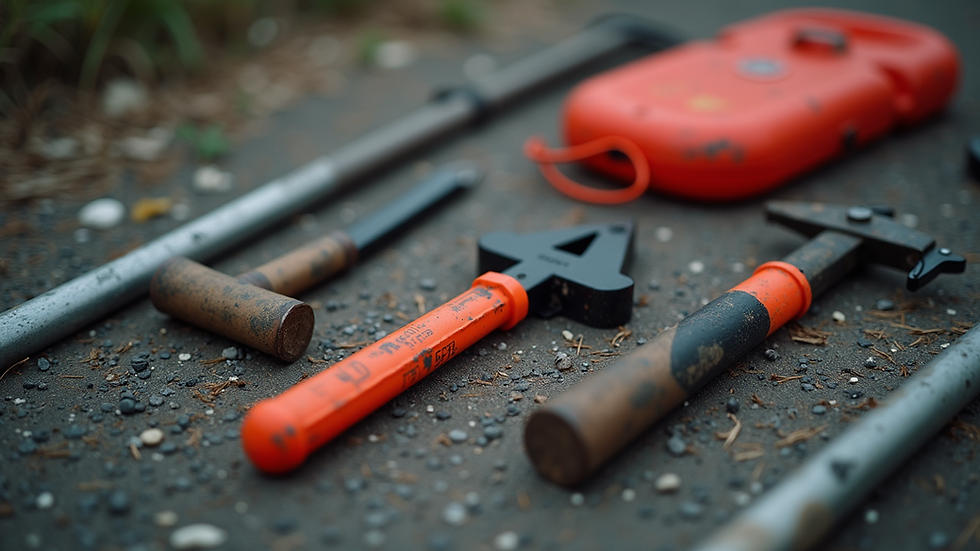
Organising rescue tools for quick and easy access during extrication.
Effective Rescue Planning and Orchestration
Good planning is the backbone of any successful rescue. It means thinking ahead, assigning roles, and coordinating actions smoothly.
Effective rescue planning includes:
Pre-scene preparation: Training, equipment checks, and scenario drills.
Scene assessment: Quickly gathering information on hazards, victims, and resources.
Role assignment: Clear tasks for each team member.
Communication: Constant updates and feedback.
Contingency plans: Ready for unexpected challenges.
Orchestration means making sure all parts work together like a well-oiled machine. When everyone knows their role and the plan, the rescue flows without delays.
Integrating Tools for Better Rescue Outcomes
Using the right tools can make a big difference. For example, the Holmatro Rescue Tools are designed for quick, powerful extrication. Their hydraulic cutters and spreaders help create access points fast and safely. You can learn more about their range here.
Another great example is the Lukas Rescue Equipment. Their compact and lightweight tools are easy to handle, speeding up operations in tight spaces. Check out their products here.
Both brands focus on reliability and ease of use, which supports the EXIT principles and U-STEP-OUT steps perfectly. Having dependable tools means less fumbling and faster victim access.
Practical Example: A Rescue Scenario
Imagine a car has crashed into a roadside barrier. The driver is conscious but trapped by the steering wheel. The rescue team arrives and immediately applies U-STEP-OUT:
They understand the scene, noting the vehicle’s position and hazards.
They secure the area with cones and stabilisers.
They triage the driver, who is stable but stuck.
They establish access by opening the passenger door.
They plan extrication using hydraulic cutters.
They operate tools to cut the steering wheel column.
They encourage the driver to self-extricate once the obstruction is removed.
They prepare for transport to hospital.
Because the team followed these steps and used quality tools, the driver was freed in under 15 minutes. That’s a big win in rescue terms.

Rescue team coordinating extrication efforts around a vehicle crash.
Final Thoughts on Reducing On Scene Time
Reducing on-scene time is about more than speed. It’s about working smart, safe, and together. EXIT principles and U-STEP-OUT provide a clear framework. Simplistic space creation clears the way. Self-extrication can save minutes. And effective planning keeps everyone on track.
Using reliable tools like Holmatro and Lukas equipment supports these methods and helps teams perform at their best.
If you want to improve your rescue outcomes, focus on these core areas. Train regularly, plan carefully, and always look for ways to simplify and speed up your work. The lives saved will make it all worthwhile.
The Importance of Continuous Training
Continuous training is vital in rescue operations. The landscape of road traffic collisions is always evolving. New vehicles, technologies, and techniques emerge regularly. Staying updated ensures that rescue teams are prepared for any situation.
Regular training sessions should include:
Hands-on practice with tools and equipment.
Scenario-based drills that mimic real-life situations.
Workshops on the latest techniques and technologies.
Feedback sessions to discuss what worked and what didn’t.
By committing to ongoing education, teams can refine their skills and improve their response times. This dedication to learning translates directly into better outcomes for victims.
Collaboration with Other Agencies
Collaboration is key in rescue operations. Working alongside other agencies and organisations can enhance efficiency and effectiveness. Each team brings unique skills and resources to the table.
Consider these collaborative efforts:
Joint training exercises with local fire departments and medical teams.
Sharing resources and equipment during large-scale incidents.
Establishing communication protocols for seamless information exchange.
When agencies work together, they create a stronger safety net for the community. This collaboration can significantly reduce response times and improve overall rescue outcomes.
Embracing Technology in Rescue Operations
Technology plays a crucial role in modern rescue operations. From advanced communication tools to cutting-edge rescue equipment, embracing technology can enhance efficiency.
Some technological advancements include:
Drones for aerial assessments of crash scenes.
Mobile apps for real-time communication and updates.
Advanced hydraulic tools that operate faster and more efficiently.
Integrating these technologies into rescue operations can streamline processes and improve safety. It allows teams to focus on what matters most: saving lives.
Conclusion: A Commitment to Excellence
In the world of rescue operations, every second matters. By implementing EXIT principles, U-STEP-OUT, and other effective strategies, we can significantly reduce on-scene time. Continuous training, collaboration, and embracing technology are essential components of this commitment.
As we strive to improve our skills and techniques, we ultimately enhance the outcomes for those we serve. The goal is clear: to be the go-to global hub for advanced road traffic collision and heavy rescue training. Together, we can make a difference and save lives.


Comments