


Understanding RTC Rescue Techniques

When seconds count, knowing the right rescue techniques can make all the difference. Road traffic collisions (RTCs) are unpredictable, chaotic, and often dangerous scenes. Yet, with the right skills and knowledge, rescue teams can save lives and reduce trauma. Today, I want to take you through the essentials of RTC rescue techniques, breaking down what works, why it matters, and how to stay ahead in this critical field.
The Importance of RTC Rescue Techniques
Imagine arriving at a crash site where every second feels like an hour. Vehicles are twisted, victims trapped, and the clock is ticking. This is where RTC rescue techniques come into play. They are not just a set of procedures but a lifeline for those caught in the aftermath of a collision.
These techniques focus on:
Rapid assessment of the scene to identify hazards.
Safe extrication of victims without causing further injury.
Effective communication among rescue teams.
Use of specialised tools designed for vehicle rescue.
Without these skills, rescue efforts can be slow, dangerous, or even harmful. But with them, teams can work efficiently, ensuring victims get the care they need as quickly as possible.
Core RTC Rescue Techniques Every Rescuer Should Know
Let’s dive into some of the fundamental techniques that form the backbone of any RTC rescue operation.
Scene Assessment and Safety
Before rushing in, the first step is to assess the scene. This means looking for:
Fuel leaks or fire risks.
Unstable vehicles that might shift.
Traffic hazards from other vehicles.
Victim conditions and locations.
Safety is paramount. You don’t want to become a casualty yourself. Use cones, flares, or barriers to secure the area. Always wear personal protective equipment (PPE) like helmets, gloves, and high-visibility jackets.
Stabilisation of Vehicles
Once the scene is safe, stabilising the vehicle is next. Think of it as putting the vehicle on a firm foundation so it doesn’t move unexpectedly during rescue. This might involve:
Using chocks or blocks under wheels.
Applying cribbing techniques with wooden or composite blocks.
Securing the vehicle with straps or chains.
Stabilisation prevents further injury to victims and protects rescuers from sudden shifts.
Access and Extrication
Getting to the victim is often the trickiest part. Vehicles can be mangled, doors jammed, or roofs crushed. Here, the right tools and techniques are vital:
Glass management: Removing or breaking windows safely to create access points.
Door removal: Using hydraulic cutters or spreaders to open jammed doors.
Roof removal: Sometimes, cutting away the roof is necessary to free trapped occupants.
Dash roll: A technique to move the dashboard away from the victim if it has collapsed inward.
Each step requires precision and care to avoid worsening injuries.

Medical Considerations During Rescue
Rescue is not just about freeing victims but also about preserving their health. This means:
Minimising movement of the spine and neck.
Monitoring airway, breathing, and circulation.
Communicating with medical teams to prepare for handover.
Using spinal collars and backboards when necessary.
The rescue team must work hand-in-hand with paramedics to ensure the victim’s condition doesn’t deteriorate during extrication.
Training and Equipment: The Backbone of Effective Rescue
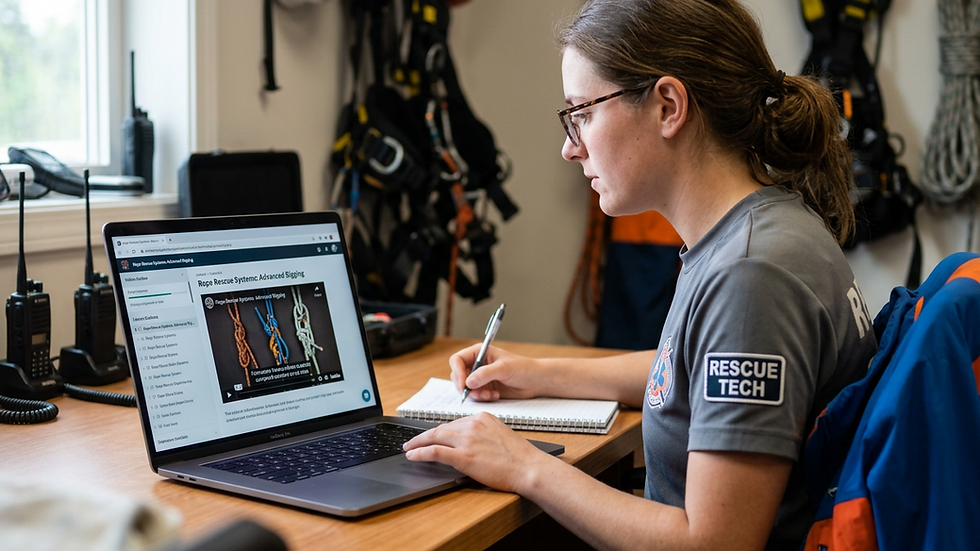
You can’t master RTC rescue techniques without proper training and equipment. This is where continuous learning and investment come in.
Training
Regular drills and simulations are essential. They help teams:
Practice new techniques.
Familiarise themselves with the latest tools.
Improve coordination and communication.
Build confidence under pressure.
Training should cover everything from basic first aid to advanced vehicle stabilisation and extrication methods.
Equipment
The right gear can be a game-changer. Some must-haves include:
Hydraulic cutters and spreaders (often called the "Jaws of Life").
Stabilisation kits with cribbing and chocks.
Glass management tools like window punches and saws.
Personal protective equipment for all rescuers.
Keeping equipment well-maintained and ready to deploy is just as important as knowing how to use it.

Staying Updated with the Latest in RTC Rescue
The world of rescue is always evolving. New vehicle designs, materials, and safety features mean rescue techniques must adapt. For example, electric and hybrid vehicles require different approaches due to high-voltage systems.
This is why organisations like rtc rescue are invaluable. They provide:
Advanced training courses.
Up-to-date research and case studies.
Forums for sharing best practices.
Access to cutting-edge rescue technology.
By staying connected to such resources, rescue teams can keep their skills sharp and their knowledge current.
Beyond the Rescue: Psychological and Team Dynamics
Rescue operations are intense, not just physically but mentally. The pressure to save lives, the sights and sounds of trauma, and the need for split-second decisions can take a toll.
It’s crucial to:
Foster strong team communication and trust.
Debrief after operations to learn and support each other.
Recognise signs of stress and burnout.
Encourage mental health support and resilience training.
A well-prepared team is not just skilled but also mentally ready to face the challenges of RTC rescue.
Building a Culture of Excellence in Rescue Operations
Ultimately, mastering RTC rescue techniques is about more than just skills and tools. It’s about cultivating a culture where safety, learning, and innovation thrive. Organisations must prioritise:
Continuous professional development.
Investment in the latest rescue technology.
Collaboration across agencies and disciplines.
Commitment to improving outcomes for road trauma victims worldwide.
By doing so, rescue teams become not just responders but pioneers in saving lives and reducing suffering on the roads.
Mastering RTC rescue techniques is a journey, not a destination. It demands dedication, practice, and a willingness to evolve. But the reward? Lives saved, families kept whole, and communities made safer. That’s a mission worth every effort.


Comments