


The Vital Role of First Responder CPD Training in the UK

Continuous Professional Development (CPD) is not just a box to tick for first responders in the UK. It’s the lifeblood of effective, up-to-date emergency response. Imagine being on the frontline of a road traffic collision or a heavy rescue operation, relying on outdated skills or knowledge. The stakes are too high for complacency. That’s why first responder CPD training is essential. It keeps skills sharp, knowledge current, and ultimately saves lives.
Why First Responder CPD Training Matters
First responders face unpredictable, high-pressure situations every day. The environment changes, new technologies emerge, and best practices evolve. Without ongoing training, even the most experienced professionals can fall behind. CPD ensures that responders are not only competent but confident in their abilities.
Think of CPD as a fitness regime for the mind and hands. Just as athletes train regularly to maintain peak performance, first responders must engage in continuous learning to stay at the top of their game. This training covers everything from the latest rescue techniques to updated safety protocols and medical procedures.
Moreover, CPD fosters a culture of excellence and accountability. It encourages responders to reflect on their practice, identify areas for improvement, and embrace new challenges. This proactive approach reduces errors and enhances teamwork during critical incidents.

Key Components of Effective First Responder CPD Training
Effective CPD for first responders is not a one-size-fits-all approach. It must be tailored to the specific demands of the role and the evolving nature of emergencies. Here are some core elements that make CPD impactful:
Practical Skills Refreshers: Hands-on training in vehicle extrication, casualty handling, and use of rescue tools ensures responders maintain muscle memory and precision.
Scenario-Based Learning: Realistic simulations of road traffic collisions or heavy rescue situations help responders apply theory to practice under pressure.
Medical Updates: Keeping up with the latest in trauma care, first aid, and emergency medical interventions is crucial.
Technical Knowledge: Understanding new vehicle technologies, such as electric or hybrid cars, and their implications for rescue operations.
Communication and Leadership: Training in effective communication, decision-making, and team coordination during incidents.
Health and Wellbeing: Recognising the physical and psychological toll of the job and learning strategies to manage stress and fatigue.
Each of these components contributes to a well-rounded skill set that prepares responders for the unexpected.
How CPD Enhances Safety and Efficiency on the Ground
When seconds count, the difference between a good outcome and a tragedy often hinges on the responder’s training. CPD directly impacts safety and efficiency in several ways:
Faster Response Times: Well-trained responders can assess situations quickly and deploy the right techniques without hesitation.
Reduced Risk of Injury: Proper use of equipment and adherence to safety protocols protect both responders and casualties.
Improved Patient Outcomes: Up-to-date medical knowledge means better care at the scene, increasing survival rates.
Adaptability to New Challenges: As vehicles and rescue environments evolve, CPD ensures responders are ready to tackle new hazards.
Enhanced Teamwork: Regular joint training sessions build trust and coordination among different emergency services.
In essence, CPD transforms responders from reactive to proactive professionals, ready to face any challenge with skill and confidence.

Practical Steps to Implementing CPD in Rescue Organisations
Embedding CPD into the culture of rescue organisations requires commitment and strategy. Here are actionable recommendations to make CPD effective and sustainable:
Set Clear Objectives: Define what skills and knowledge need updating based on recent incidents, technological changes, and feedback.
Schedule Regular Training: Make CPD a routine part of the work calendar, not an occasional event.
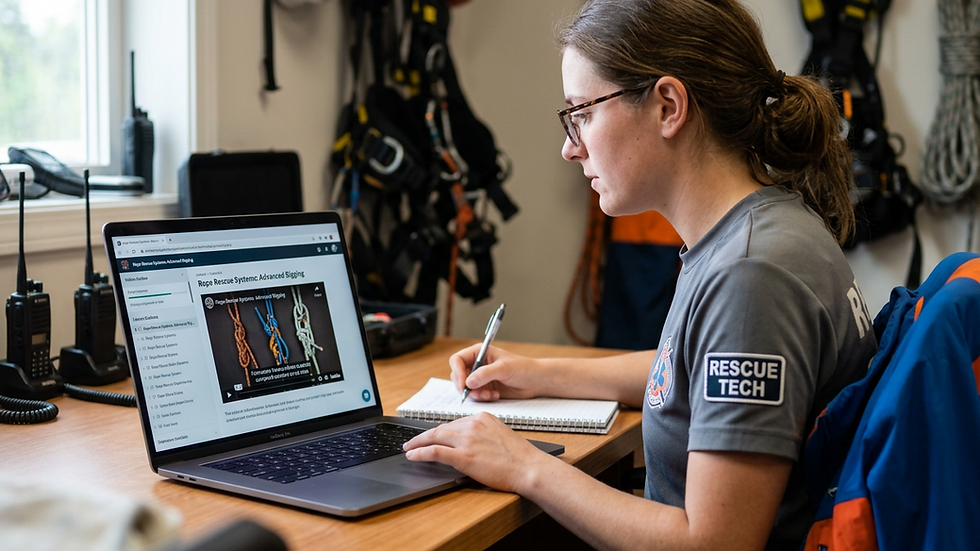
Use Varied Training Methods: Combine classroom learning, e-learning modules, practical drills, and scenario simulations.
Encourage Reflective Practice: After training or incidents, hold debriefs to discuss what went well and what could improve.
Track Progress: Maintain records of training activities and competencies to identify gaps and plan future sessions.
Promote a Learning Culture: Recognise and reward commitment to CPD to motivate ongoing participation.
Leverage Expert Trainers: Bring in specialists who can provide the latest insights and techniques.
Integrate Technology: Use virtual reality or augmented reality tools to simulate complex rescue scenarios safely.
By following these steps, organisations can ensure their teams remain at the cutting edge of rescue skills.
The Future of First Responder Training in the UK
The landscape of emergency response is evolving rapidly. New vehicle designs, such as electric and autonomous cars, present fresh challenges. Climate change is increasing the frequency of extreme weather events, demanding new rescue strategies. In this dynamic environment, CPD is not just beneficial - it’s indispensable.
Investing in cpd for uk first responders means investing in safer roads, better patient outcomes, and stronger rescue teams. It’s about staying ahead of the curve and being ready for whatever comes next.
As technology advances, so too will training methods. Expect more immersive simulations, data-driven performance analysis, and personalised learning paths. The goal remains the same: to equip responders with the skills and knowledge they need to save lives efficiently and safely.
Embracing Lifelong Learning for Rescue Excellence
In the end, CPD is a mindset. It’s about embracing lifelong learning and recognising that no matter how experienced you are, there is always room to grow. For first responders, this mindset can mean the difference between chaos and control, between tragedy and triumph.
So, whether you’re a firefighter, clinician, vehicle technician, or part of a heavy rescue team, prioritising CPD is a professional responsibility and a personal commitment. It’s the key to maintaining excellence in a demanding and ever-changing field.
Remember, every training session, every update, every new skill learned is a step towards safer rescues and better outcomes for those who need help the most. Keep learning, keep improving, and keep making a difference.
Ready to take your skills to the next level? Explore comprehensive first responder CPD training programmes designed to meet the challenges of today and tomorrow.


Comments