


RTC Extrication Rescue: Critical Rescue Techniques

When seconds count, knowing the right techniques for road traffic collision (RTC) extrication can make all the difference. I’ve seen firsthand how a well-executed rescue can save lives and reduce trauma. This post dives deep into the critical rescue techniques that every responder and technician should master. Whether you’re gearing up for your next training or refining your skills, these insights will sharpen your approach and boost your confidence on the scene.
Understanding the Basics of RTC Extrication
Extrication is more than just pulling someone out of a wrecked vehicle. It’s a carefully choreographed operation that balances speed, safety, and precision. The first step is always scene assessment. What’s the vehicle’s position? Are there hazards like fuel leaks or unstable debris? Is the patient conscious or trapped in a precarious position?
Think of it like a chess game. You need to anticipate moves, plan your strategy, and execute with precision. The goal is to stabilise the patient and the vehicle before any movement. This prevents further injury and sets the stage for a smooth rescue.
Key tools in this phase include stabilisation struts, cribbing blocks, and hydraulic rescue tools like the Jaws of Life. But tools alone don’t win the game - it’s how you use them that counts.
Critical Rescue Techniques for Effective Extrication
Let’s get into the heart of the matter: the critical rescue techniques that form the backbone of successful RTC extrication.
1. Scene Safety and Stabilisation
Before you touch the vehicle or patient, secure the scene. This means cordoning off the area, managing traffic, and ensuring all responders wear appropriate PPE. Vehicle stabilisation is crucial. Use chocks and struts to prevent any movement. Remember, a shifting vehicle can turn a controlled rescue into a disaster.
2. Access and Patient Assessment
Gaining access to the patient can be straightforward or complex, depending on the crash severity. Sometimes, doors open easily; other times, you’ll need to remove windshields or cut through metal. Always prioritise the patient’s airway, breathing, and circulation (the ABCs). Communicate clearly with the patient if possible - it calms them and provides valuable information.
3. Disentanglement and Extrication
This is where your technical skills shine. Using hydraulic cutters, spreaders, and rams, carefully remove parts of the vehicle trapping the patient. The key is to work methodically and avoid sudden movements. Think of it like unwrapping a delicate package - you want to preserve the patient’s condition while freeing them.
4. Patient Packaging and Removal
Once freed, the patient needs to be stabilised on a spinal board or vacuum mattress. Secure all limbs and monitor vital signs continuously. The transfer to ambulance teams should be smooth and swift, ensuring no jarring movements.

Advanced Techniques and Innovations in RTC Rescue
The world of RTC extrication is evolving fast. New materials in vehicles, like high-strength steel and composites, require updated cutting techniques. Plus, electric and hybrid vehicles introduce new hazards such as high-voltage cables.
One advanced technique gaining traction is the use of remote-controlled cutting tools. These allow rescuers to work from a safer distance in unstable environments. Another innovation is thermal imaging cameras to detect hidden fires or fuel leaks before approaching the vehicle.
Training with simulators and virtual reality is also revolutionising how responders prepare. These tools provide realistic scenarios without the risks of live training, helping teams build muscle memory and decision-making skills.

Practical Tips for Improving Your RTC Extrication Skills
You might wonder, how can I get better at these techniques? Here are some actionable recommendations:
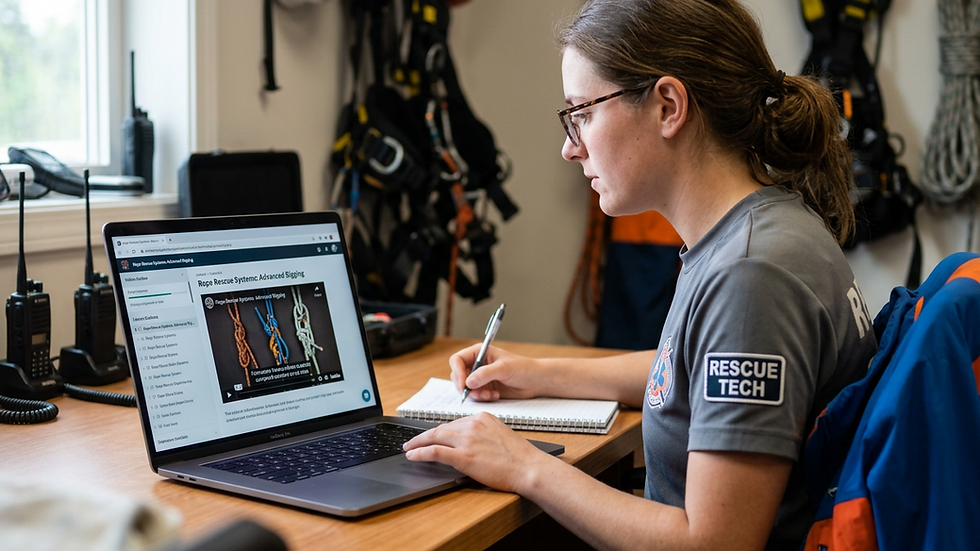
Regular Training: Practice makes perfect. Attend workshops and refresher courses frequently.
Scenario Drills: Simulate different crash scenarios, including electric vehicles and heavy trucks.
Team Coordination: Extrication is a team effort. Work on communication and role clarity.
Tool Familiarity: Know your equipment inside out. Practice maintenance and quick deployment.
Stay Updated: Follow organisations like RTC Rescue for the latest techniques and research.
Remember, every rescue is unique. Adaptability and calm under pressure are just as important as technical skills.
The Bigger Picture: Why Mastering These Techniques Matters
Mastering RTC extrication techniques isn’t just about skill-building. It’s about improving outcomes for road trauma victims worldwide. Each second saved and every injury minimised can mean a life saved or a family spared from tragedy.
RTC Rescue aims to be the go-to global hub for advanced road traffic collision and heavy rescue training, constantly developing and sharing the latest techniques to improve outcomes for road trauma victims worldwide and equip rescue organizations with cutting-edge skills. By embracing these critical rescue techniques, you’re not just responding to emergencies - you’re shaping the future of rescue operations.
So, next time you’re called to a scene, you’ll know exactly what to do. You’ll be ready to act swiftly, safely, and effectively. Because in the world of RTC extrication, knowledge and preparation are your best tools.
Stay sharp, stay safe, and keep pushing the boundaries of what’s possible in rescue.


Comments