


Maximizing the Value of Training PDFs

Training manuals are the backbone of any effective rescue operation. They hold the knowledge, the techniques, and the step-by-step instructions that can make the difference between success and failure in critical moments. But how often do we truly maximise the value of these resources? Especially when it comes to digital formats like PDFs, which are widely used for their convenience and accessibility.
Let’s dive into how you can unlock the full potential of your training manuals, particularly focusing on the practical use of PDFs in rescue training scenarios. Whether you’re a first responder, a vehicle technician, or part of a rescue organisation, this guide will help you turn static documents into dynamic learning tools.
Why Training Manual Utilization Matters More Than You Think
Training manuals are not just documents to be read once and shelved. They are living resources that should be integrated into daily practice. Think of them as a toolbox - if you only glance at the tools but never use them, you’re missing out on their true value.
When you fully utilise training manuals, you:
Enhance skill retention: Repeated reference and practice help embed knowledge.
Standardise procedures: Everyone follows the same protocols, reducing errors.
Improve response times: Quick access to clear instructions speeds up decision-making.
Facilitate continuous learning: Manuals can be updated and shared easily, keeping teams current.
For example, a well-structured training manual can guide a team through complex vehicle extrication techniques, ensuring every member knows their role and the correct sequence of actions.

Practical Tips for Effective Training Manual Utilization
So, how do you make sure your training manuals are not just gathering digital dust? Here are some actionable strategies:
1. Interactive PDF Features
Modern PDFs can do more than just display text. Use features like:
Bookmarks and hyperlinks for quick navigation.
Embedded videos or animations to demonstrate techniques.
Fillable forms for quizzes or checklists.
This turns a static manual into an interactive learning experience.
2. Regular Training Sessions Using the Manual
Incorporate the manual into hands-on training. For instance, before a drill, review the relevant sections together. After the exercise, revisit the manual to discuss what went well and what could improve.
3. Customise for Your Team
Adapt the manual to your specific needs. Highlight key points, add notes, or create quick-reference sheets from the PDF content. This personalisation makes the manual more relevant and easier to use in the field.
4. Ensure Easy Access
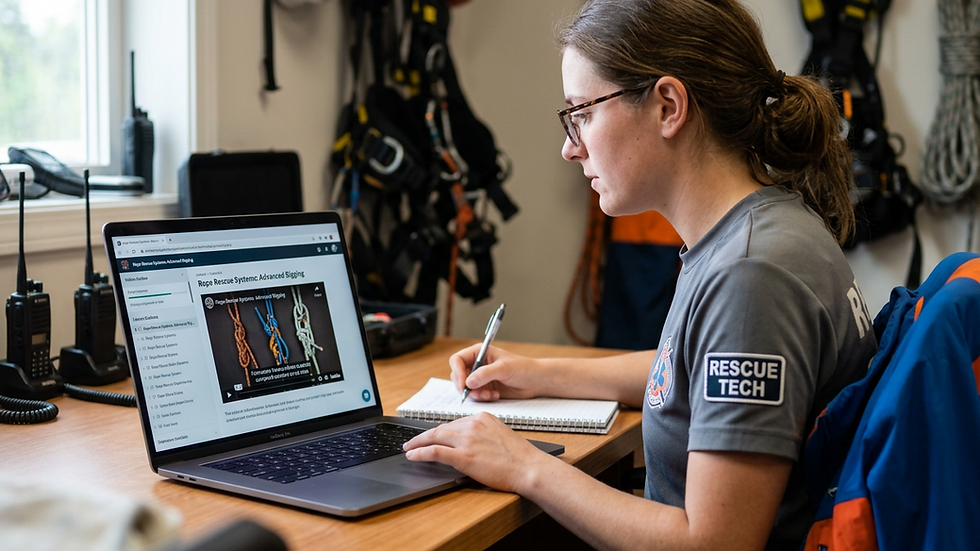
Store the PDFs on devices that are always available during training and operations. Tablets, smartphones, or rugged laptops can be lifesavers when you need to check a procedure on the spot.
5. Encourage Feedback
Ask team members to suggest improvements or report unclear sections. This feedback loop keeps the manual evolving and more user-friendly.
What are the 5 roles for EMS providers on the scene of a vehicle extrication?
Understanding the distinct roles EMS providers play during vehicle extrication is crucial for smooth operations. Each role has specific responsibilities that contribute to the overall success of the rescue.
Incident Commander
Oversees the entire operation, coordinates between teams, and ensures safety protocols are followed.
Triage Officer
Assesses the condition of victims, prioritises treatment, and directs EMS resources accordingly.
Treatment Provider
Delivers immediate medical care to victims, stabilising them for extrication.
Extrication Support
Assists with patient packaging and prepares victims for safe removal from the vehicle.
Transport Coordinator
Arranges for rapid and safe transport of victims to medical facilities.
Knowing these roles helps EMS providers work seamlessly with rescue teams, reducing confusion and improving patient outcomes.

Leveraging the vehicle extrication training pdf for Skill Development
One of the best resources available is the vehicle extrication training pdf. This document is packed with detailed procedures, safety tips, and the latest techniques in vehicle rescue.
Here’s how to get the most out of it:
Study the scenarios: The PDF includes real-world examples that help you visualise challenges.
Practice the drills: Use the step-by-step guides to run drills with your team.
Update regularly: Check for new versions to stay current with evolving best practices.
Share knowledge: Use the PDF as a training tool for new recruits or refresher courses.
By integrating this resource into your training routine, you ensure your team is equipped with cutting-edge skills that can save lives.
Making Training PDFs Work in Real-World Rescue Operations
Training manuals are only as good as their application. Here’s how to bridge the gap between theory and practice:
Simulate real conditions: Use the manual to design drills that mimic actual rescue scenarios.
Assign roles based on the manual: Ensure everyone knows their responsibilities as outlined.
Debrief with the manual: After exercises, review what happened against the manual’s guidelines.
Use technology: Tablets or smartphones with the PDF open can provide instant reference during training or even on-scene.
Remember, the goal is to make the manual a natural part of your workflow, not an afterthought.

Beyond the Manual: Continuous Improvement and Innovation
Training manuals are foundational, but the rescue field is always evolving. To stay ahead:
Attend workshops and courses: Complement your manual knowledge with hands-on learning.
Engage with the community: Share experiences and learn from other rescue organisations.
Incorporate feedback: Use lessons learned from real incidents to update your manuals and training.
Embrace new technology: Tools like augmented reality or virtual simulations can enhance training.
By combining solid manual utilisation with ongoing development, you build a resilient, skilled team ready for any challenge.
Training manuals, especially in PDF form, are powerful tools when used correctly. They are not just documents but gateways to knowledge, skill, and confidence. By maximising their value, you empower your team to perform at their best, improving outcomes for those who need rescue the most. So, why settle for just reading a manual when you can live it, breathe it, and master it?


Comments