


Mastering RTC Rescue Techniques

When it comes to saving lives in the aftermath of road traffic collisions, every second counts. The difference between a successful rescue and a tragic outcome often hinges on the skills and techniques employed by rescue teams. Mastering RTC rescue techniques is not just about knowing what to do; it’s about doing it efficiently, safely, and with precision. In this post, I’ll walk you through the essential methods, tools, and mindset needed to excel in this critical field.
Understanding the Fundamentals of RTC Rescue Techniques
Before diving into the nitty-gritty, it’s crucial to grasp the basics. Road traffic collision rescue is a complex operation that requires a blend of technical knowledge, physical skill, and quick decision-making. The first step is always scene assessment. Think of it as reading the room before you start a conversation. You need to understand the environment, hazards, and the condition of the victims.
Here’s what I focus on during initial assessment:
Safety first: Identify risks like leaking fuel, unstable vehicles, or electrical hazards.
Victim condition: Check for consciousness, breathing, and visible injuries.
Access points: Determine the best way to reach trapped individuals without causing further harm.
This initial evaluation sets the tone for the entire rescue operation. Skipping or rushing this step is like trying to fix a car without opening the bonnet – you might miss something critical.
Essential RTC Rescue Techniques You Need to Know
Now, let’s get into the heart of the matter. Mastering RTC rescue techniques means being proficient in a variety of skills, from vehicle stabilisation to patient extrication. Here are some of the core techniques I rely on:
Vehicle Stabilisation
Imagine a car teetering on the edge of a ditch. Your first job is to make sure it doesn’t move unexpectedly. Stabilisation involves using chocks, cribbing, and struts to secure the vehicle. This prevents further injury to victims and keeps rescuers safe.
Use wheel chocks to prevent rolling.
Employ cribbing blocks to support the vehicle’s weight.
Apply struts to brace against movement in multiple directions.
Glass Management
Broken glass is a common hazard. It can cause injuries and complicate access. I always carry specialised tools like glass management kits to safely remove or secure glass fragments. Covering sharp edges with protective tape or blankets is a quick way to reduce risk.
Door Removal and Roof Lifting
Sometimes, the only way to reach a victim is by removing doors or lifting the roof. Hydraulic tools like spreaders and cutters are invaluable here. The key is to work methodically:
Stabilise the vehicle.
Remove glass and trim away obstacles.
Use hydraulic tools to carefully separate metal components.
Create enough space for safe extrication.
Patient Extrication
This is the moment that matters most. The goal is to remove the victim without causing additional harm. Techniques vary depending on the victim’s condition and entrapment type. I always coordinate closely with medical personnel to ensure spinal precautions and other safety measures are in place.
Use spinal boards or vacuum mattresses for immobilisation.
Communicate clearly with the team to synchronise movements.
Monitor the victim’s condition continuously.

Tools and Equipment That Make a Difference
Having the right tools is like having a Swiss Army knife in your pocket – versatile and reliable. Over the years, I’ve seen how investing in quality equipment can transform a rescue operation.
Hydraulic rescue tools: Spreaders, cutters, and rams are the backbone of extrication.
Stabilisation gear: Cribbing blocks, struts, and chocks.
Personal protective equipment (PPE): Helmets, gloves, eye protection, and high-visibility clothing.
Medical supplies: First aid kits, oxygen, and immobilisation devices.
Regular training on these tools is essential. It’s not enough to own them; you must be comfortable and confident in their use. Practice drills simulate real-life scenarios and help build muscle memory.
The Importance of Teamwork and Communication
Rescue operations are a team sport. No one can do it alone. Clear communication and defined roles are vital. I always emphasise the following:
Brief before action: Everyone should know their role and the plan.
Use hand signals and radios: Noise and chaos can make verbal communication difficult.
Debrief after rescue: Discuss what went well and what could improve.
Think of it like an orchestra. Each member plays a part, and when everyone is in sync, the result is harmony – or in this case, a successful rescue.

Continuous Learning and Adaptation
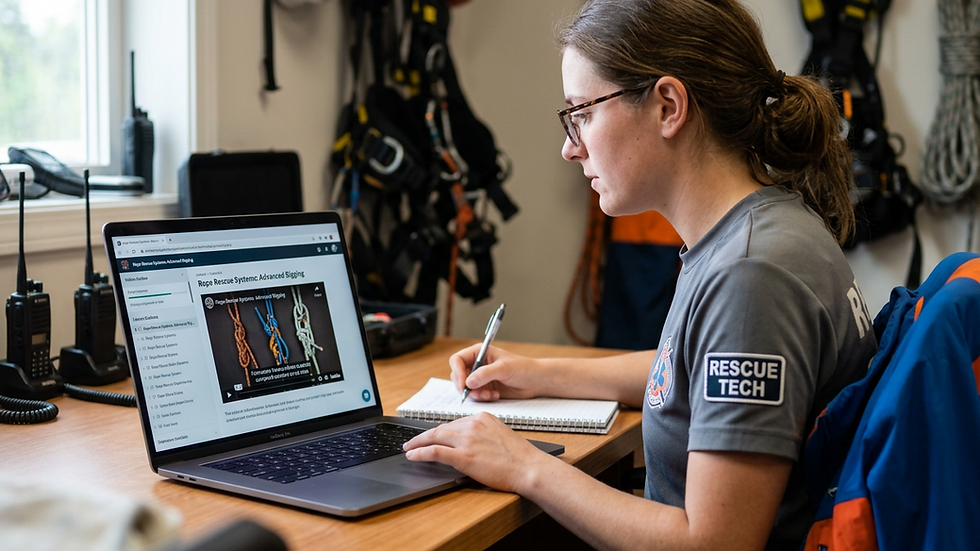
The world of RTC rescue is always evolving. New vehicle designs, materials, and technologies mean that yesterday’s techniques might not be enough tomorrow. That’s why I’m a strong advocate for ongoing education and training.
Attend workshops and courses regularly.
Stay updated with the latest research and case studies.
Share knowledge within your organisation and network.
For those looking to deepen their expertise, rtc rescue offers a wealth of resources and training programmes designed to keep you at the cutting edge of rescue techniques.
Embracing Technology in Rescue Operations
Technology is no longer just a buzzword; it’s a game-changer. From drones providing aerial views to thermal imaging cameras detecting victims in low visibility, tech tools enhance situational awareness and efficiency.
Drones: Offer a bird’s eye view of the scene, helping identify hazards and victim locations.
Thermal cameras: Detect body heat through smoke or darkness.
Communication apps: Facilitate real-time updates and coordination.
Integrating these tools into your rescue protocols can save precious minutes and improve outcomes.
Building Resilience and Mental Preparedness
Rescue work is physically demanding, but the mental toll can be even greater. Facing traumatic scenes and high-pressure situations requires resilience. Here’s how I maintain mental sharpness:
Practice stress management techniques like deep breathing.
Engage in regular physical fitness to boost endurance.
Seek peer support and professional counselling when needed.
Remember, taking care of yourself is part of being an effective rescuer.
Final Thoughts on Mastering RTC Rescue Techniques
Mastering RTC rescue techniques is a journey, not a destination. It demands dedication, practice, and a willingness to learn from every incident. By focusing on safety, honing your skills, embracing teamwork, and staying current with technology, you can make a real difference in the lives of those affected by road traffic collisions.
Every rescue is a story of hope and courage. With the right techniques and mindset, you become the author of many successful outcomes. So, gear up, stay sharp, and keep pushing the boundaries of what’s possible in rescue operations.


Comments