


Innovations in Vehicle Extrication Techniques: Modern Rescue Techniques for Safer Outcomes

When seconds count, the tools and methods used to free trapped victims from vehicles can mean the difference between life and death. Vehicle extrication has evolved dramatically over the years, and today, modern rescue techniques are pushing the boundaries of what’s possible. As someone deeply involved in rescue training and operations, I’ve witnessed firsthand how innovation transforms the way we approach these critical situations.
Let’s dive into the latest breakthroughs in vehicle extrication, exploring how technology, training, and teamwork come together to save lives more efficiently and safely than ever before.
The Evolution of Modern Rescue Techniques in Vehicle Extrication
Vehicle extrication used to be a brute force operation. Rescue teams relied heavily on hydraulic cutters and spreaders—often called the "Jaws of Life"—to pry open mangled metal and create access points. While these tools remain essential, the approach has become far more sophisticated.
Today’s modern rescue techniques focus on precision, speed, and victim safety. For example, the integration of battery-powered tools has made equipment lighter and more portable, allowing responders to work faster without sacrificing power. These cordless tools reduce the risk of tripping over cables and improve manoeuvrability in tight spaces.
Moreover, the use of advanced stabilisation systems ensures that vehicles remain secure during extrication, preventing further injury to trapped occupants or rescuers. Think of it as building a temporary fortress around the wreckage—solid, stable, and safe.
Key advancements include:
Battery-powered hydraulic tools for faster, quieter, and more flexible operations.
Vehicle stabilisation devices that adapt to various crash scenarios.
Cutting-edge glass management techniques to safely remove windshields and windows.
Thermal imaging cameras to locate victims and assess injuries without delay.
These innovations are not just about new gadgets; they represent a shift in mindset. Rescue teams now prioritise minimal movement of the patient, reducing the risk of exacerbating injuries.

How Technology is Shaping the Future of Vehicle Extrication
Technology is the engine driving modern rescue techniques forward. One of the most exciting developments is the use of 3D scanning and augmented reality (AR) to map vehicle interiors and plan extrication strategies before cutting begins.
Imagine having a virtual blueprint of the wreckage in your hands, showing where airbags, fuel lines, and electrical systems are located. This information is crucial because it helps rescuers avoid secondary hazards like fuel leaks or unexpected airbag deployments.
Another game-changer is the introduction of robotic extrication tools. These remote-controlled devices can access confined spaces too dangerous for humans, such as vehicles involved in hazardous material spills or unstable crash sites. Robots can perform initial assessments, clear debris, and even start cutting operations, keeping rescuers out of harm’s way.
In addition, smart extrication tools equipped with sensors provide real-time feedback on cutting force and tool position. This data helps operators adjust their technique on the fly, improving precision and reducing the risk of damaging the vehicle or injuring the patient.
Practical recommendations for integrating technology:
Invest in training for new tools and software to ensure teams are confident and competent.
Collaborate with vehicle manufacturers to understand the latest car designs and safety features.
Regularly update protocols to incorporate technological advancements and lessons learned from real incidents.

Training and Skill Development: The Backbone of Effective Extrication
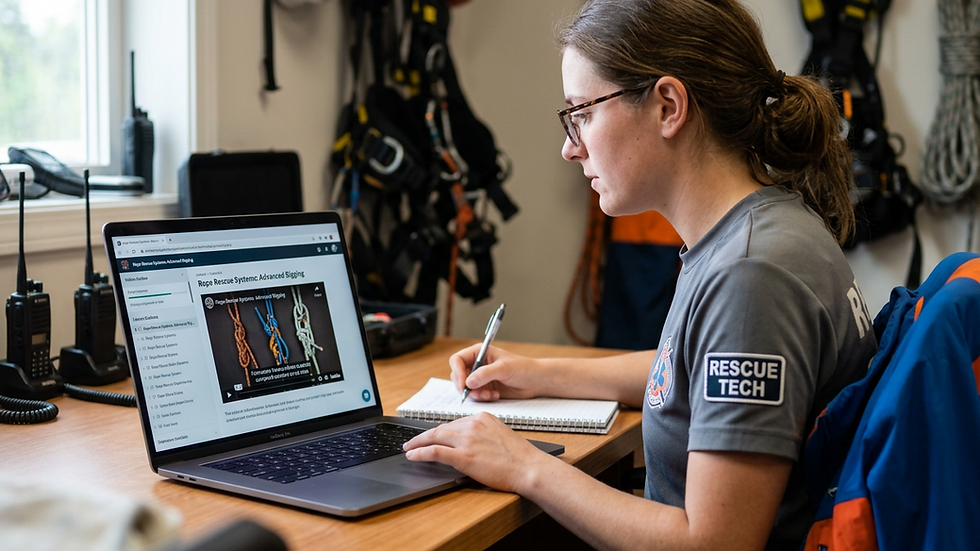
No matter how advanced the tools, the human element remains paramount. Training is the backbone of effective vehicle extrication. Modern rescue techniques demand a blend of technical skill, quick decision-making, and teamwork.
Simulation-based training has become a cornerstone of skill development. Using realistic crash scenarios, trainees practice everything from stabilisation to patient packaging under controlled conditions. This hands-on approach builds muscle memory and confidence.
Moreover, cross-disciplinary training involving paramedics, firefighters, and vehicle technicians fosters better communication and coordination. When everyone understands each other’s roles and challenges, the rescue operation flows more smoothly.
One of the most valuable lessons I’ve learned is the importance of continuous learning. Vehicle designs change rapidly, and so do the hazards. Staying current with the latest extrication methods is not optional—it’s essential.
Tips for enhancing training programs:
Incorporate virtual reality (VR) modules for immersive learning experiences.
Use after-action reviews to analyse real incidents and identify improvement areas.
Encourage knowledge sharing through workshops, conferences, and online platforms.
The Role of Collaboration and Information Sharing in Advancing Extrication
Innovation thrives in an environment of collaboration. Rescue organisations worldwide benefit immensely from sharing knowledge and experiences. Platforms like RTC Rescue serve as vital hubs for exchanging the latest techniques and training resources.
By pooling expertise, teams can develop standardised protocols that improve consistency and safety across regions. For example, understanding how to handle electric and hybrid vehicles—a growing presence on our roads—requires shared insights and coordinated training efforts.
Furthermore, partnerships with vehicle manufacturers and technology developers accelerate the adoption of new tools and methods. When rescue teams provide feedback on real-world challenges, manufacturers can tailor their designs to facilitate safer extrication.
In this interconnected world, no team operates in isolation. The collective goal is clear: to improve outcomes for road trauma victims worldwide.
Looking Ahead: What the Future Holds for Vehicle Extrication
The future of vehicle extrication is bright, with ongoing research and development promising even more breakthroughs. Here are some trends to watch:
Artificial intelligence (AI) to assist in decision-making and risk assessment during rescues.
Advanced materials in vehicles that are easier to cut or dismantle safely.
Drones for rapid scene assessment and victim location.
Enhanced communication systems linking all responders in real-time.
As these technologies mature, they will become integral parts of the extrication toolkit. But remember, technology is only as good as the people who wield it. Continuous training, adaptability, and a commitment to safety will remain the pillars of successful rescue operations.
If you want to stay at the forefront of these developments, consider exploring resources and training offered by RTC Rescue. They are dedicated to equipping rescue organisations with cutting-edge skills and knowledge to save lives more effectively.
Vehicle extrication is a demanding, high-stakes field that requires constant innovation and dedication. By embracing modern rescue techniques, investing in training, and fostering collaboration, we can ensure that every trapped victim has the best chance of survival. The tools and methods may evolve, but the mission remains the same: to rescue, protect, and save lives.


Comments