


Best Practices for RTC Extrication Techniques

When seconds count, knowing the best collision extrication methods can make all the difference. The process of safely removing victims from vehicles after a road traffic collision is a high-stakes challenge. It demands precision, teamwork, and up-to-date skills. Over the years, I’ve seen how adopting the right techniques can transform a chaotic scene into a controlled rescue operation. Let’s dive into the essentials that every rescue professional should master.
Understanding Collision Extrication Methods
Collision extrication methods are not just about cutting metal and pulling people out. They are a blend of science, skill, and strategy. The goal? To free trapped victims without causing further injury. This means understanding vehicle construction, patient condition, and the tools at your disposal.
There are several key methods used in collision extrication:
Stabilisation: Before any cutting or movement, stabilising the vehicle is critical. Imagine trying to work on a wobbly table - it’s unsafe and inefficient. Using cribbing, struts, and wedges ensures the vehicle won’t shift unexpectedly.
Access: Sometimes, doors won’t open. Rescuers must create access points by removing windows or cutting through the vehicle’s frame.
Disentanglement: This involves freeing the victim from seat belts, airbags, or twisted metal.
Removal: The final step is carefully extracting the victim, often using spinal boards or stretchers.
Each step requires a calm, methodical approach. Rushing can lead to mistakes, but hesitation can cost lives.

Key Collision Extrication Methods in Practice
Let’s break down some of the most effective collision extrication methods you’ll encounter in the field.
Stabilisation Techniques
Stabilisation is the foundation of any safe extrication. Without it, the vehicle can shift, endangering both the victim and the rescue team. Use a combination of:
Chocks and cribbing: Place these under wheels and around the vehicle to prevent movement.
Struts and tensioning devices: These provide additional support, especially if the vehicle is on an incline or unstable surface.
Disconnecting the battery: This reduces the risk of fire or airbag deployment during cutting.
Gaining Access
Sometimes, the easiest way in is not through the door. You might need to:
Break tempered glass windows safely.
Remove laminated windshields using specialised tools.
Cut through the roof or pillars with hydraulic cutters or saws.
Remember, every vehicle is different. Modern cars use high-strength steel and composites that require specific tools and techniques.
Disentanglement and Patient Care
Once access is gained, focus shifts to the victim. Seat belts may need to be cut, airbags deflated, and debris cleared. Throughout, maintain spinal precautions. Use padding and immobilisation devices to protect the patient during movement.
Removal and Transport
The final step is extraction. Use backboards, scoop stretchers, or vacuum mattresses depending on the injury and space constraints. Coordinate with medical teams to ensure a smooth handover.

What is the team approach in RTC?
Extrication is not a solo act. It’s a symphony of coordinated efforts. The team approach in RTC (Road Traffic Collision) ensures that every member knows their role and communicates effectively.
Incident Commander: Oversees the entire operation, making strategic decisions.
Safety Officer: Monitors hazards and ensures protocols are followed.
Extrication Team: Executes the physical rescue, including stabilisation, access, and removal.
Medical Team: Provides immediate care and prepares the victim for transport.
Support Personnel: Handle equipment, lighting, and scene control.
This division of labour prevents confusion and speeds up the rescue. Regular drills and clear communication channels are essential. Think of it like a well-rehearsed orchestra - each player must hit their notes perfectly for the performance to succeed.

Integrating Advanced Tools and Technology
Technology has revolutionised collision extrication methods. Hydraulic tools, battery-powered cutters, and stabilisation struts have made rescues faster and safer. But it’s not just about having the tools - it’s about knowing when and how to use them.
For example, battery-powered cutters reduce the risk of sparks, which is crucial around leaking fuel. Thermal imaging cameras can detect hot spots or trapped victims in low visibility. Even drones are being used to assess crash scenes from above.
Training with these tools regularly is non-negotiable. The best equipment in the world is useless if the team isn’t proficient.
Continuous Learning and Training
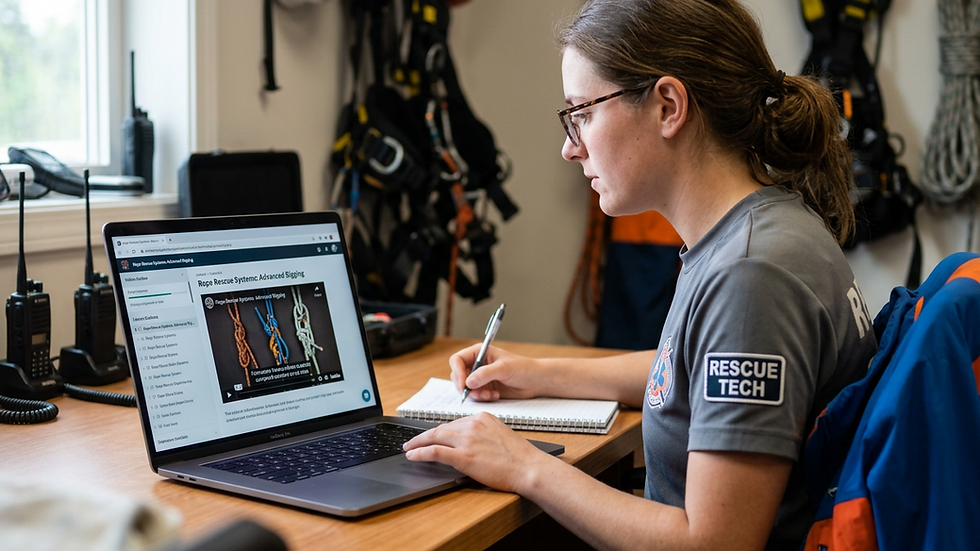
The world of vehicle rescue is always evolving. New car models, materials, and safety features mean that yesterday’s techniques might not work tomorrow. That’s why ongoing training is vital.
I recommend:
Attending specialised courses from recognised providers.
Participating in multi-agency drills.
Reviewing case studies and after-action reports.
Staying updated with resources like rtc extrication techniques.
Remember, every rescue is a learning opportunity. Debrief after each incident to identify what went well and what could improve.
Final Thoughts on Collision Extrication Methods
Mastering collision extrication methods is a journey, not a destination. It requires dedication, teamwork, and a commitment to safety. By focusing on stabilisation, access, disentanglement, and removal - and by embracing new tools and continuous training - rescue teams can save more lives and reduce trauma.
The next time you approach a crash scene, think of it as a puzzle. Each piece - the vehicle, the victim, the tools, and the team - must fit perfectly. When they do, the outcome is nothing short of a lifesaving masterpiece.


Comments