


Mastering RTC Rescue Techniques for Emergencies

When seconds count, knowing how to act swiftly and effectively can mean the difference between life and death. Road traffic collisions (RTCs) are unpredictable, chaotic, and often dangerous scenes. Mastering RTC rescue techniques is not just about having the right tools; it’s about understanding the dynamics of the incident, the vehicle, and the victim. Over the years, I’ve learned that preparation, knowledge, and calm execution are the pillars of successful rescue operations.
Let’s dive into the essential techniques and strategies that every rescue professional should have in their toolkit. Whether you’re a first responder, a vehicle technician, or part of a rescue organisation, these insights will sharpen your skills and boost your confidence in the field.
Understanding the Basics of RTC Rescue Techniques
Before rushing into action, it’s crucial to grasp the fundamentals of RTC rescue. The scene of a road traffic collision is a complex environment. Vehicles may be unstable, victims trapped, and hazards like fuel leaks or electrical fires present. The first step is always scene safety and assessment.
Scene Safety: Secure the area to prevent further accidents. Use cones, flares, or emergency lights to alert oncoming traffic.
Initial Assessment: Quickly evaluate the number of vehicles involved, the severity of damage, and the condition of victims.
Communication: Establish clear communication with your team and emergency services. A well-coordinated effort saves time and lives.
Think of the rescue scene as a chessboard. Every move must be calculated, anticipating risks and planning the next steps carefully.

Essential RTC Rescue Techniques for Vehicle Stabilisation and Access
One of the first technical challenges in an RTC rescue is stabilising the vehicle. An unstable vehicle can shift unexpectedly, putting both victims and rescuers at risk. Here’s how to approach this critical phase:
Stabilisation: Use chocks, cribbing blocks, or stabilisation struts to secure the vehicle. Always stabilise before attempting to access the victim.
Access Techniques: Depending on the vehicle’s condition, you may need to:
Open doors using standard or hydraulic tools.
Remove windshields or windows for better access.
Create new access points by cutting through the vehicle’s structure.
Remember, every vehicle is different. Modern cars have reinforced pillars and airbags that can deploy unexpectedly. Familiarity with vehicle construction and rescue tool operation is vital.
Patient Protection: Use blankets or shields to protect victims from glass shards or debris during extrication.
The goal is to create a safe working environment while minimising further injury to the trapped individual.

Advanced Extrication Methods and Tools
Extrication is where the rubber meets the road in RTC rescue. It’s a delicate balance of speed and care. Here are some advanced techniques and tools that can make a significant difference:
Hydraulic Spreaders and Cutters: These tools can pry open crushed doors or cut through metal pillars. They’re the heavy lifters in your rescue arsenal.
Reciprocating Saws: Useful for cutting through complex vehicle parts like roofs or dashboards.
Glass Management: Techniques to safely remove or break glass without causing injury.
Patient Packaging: Once freed, victims need to be immobilised and packaged for transport. Use cervical collars, spinal boards, and vacuum mattresses as appropriate.
Training with these tools regularly is essential. It’s not just about knowing how to use them but understanding when and where to apply each technique.
The Role of Teamwork and Communication in RTC Rescue
No rescue operation is a solo act. It’s a symphony of coordinated efforts. Effective teamwork and communication can dramatically improve rescue outcomes.
Clear Roles: Assign specific tasks to team members – stabilisation, access, patient care, and communication.
Communication Protocols: Use radios or hand signals to maintain constant contact, especially in noisy or chaotic environments.
Briefings and Debriefings: Before entering the scene, a quick briefing ensures everyone knows the plan. After the rescue, debrief to discuss what went well and what could improve.
Think of your team as a well-oiled machine. When every part works in harmony, the whole operation runs smoothly.
Continuous Learning and Training: Staying Ahead in RTC Rescue
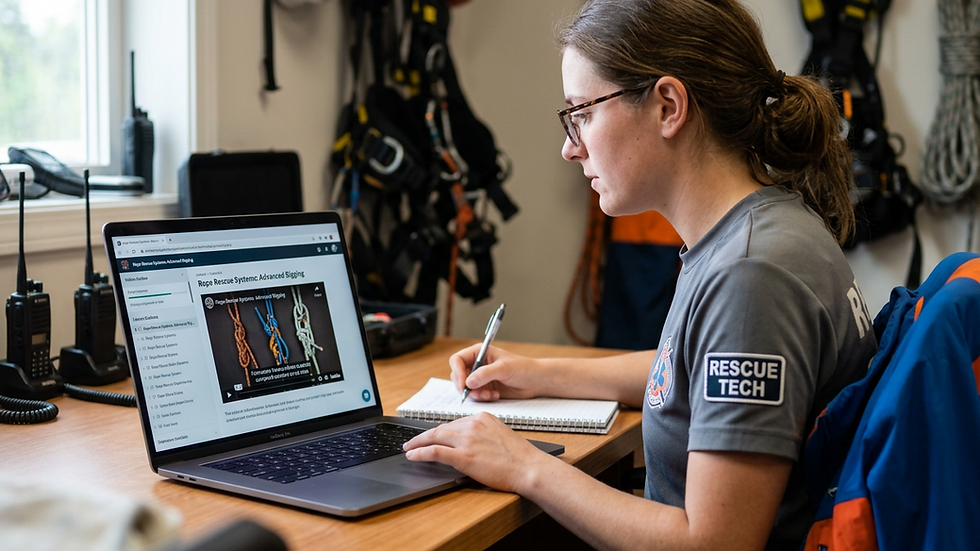
The world of vehicle rescue is constantly evolving. New car models, materials, and safety features require rescuers to stay updated. Continuous training is not optional; it’s a necessity.
Attend Workshops and Courses: Look for specialised training that covers the latest rescue techniques and tools.
Simulated Drills: Practice scenarios that mimic real-life RTCs to build muscle memory and decision-making skills.
Learn from Incidents: Analyse past rescues to identify lessons and improve protocols.
By investing in ongoing education, rescue professionals ensure they’re always ready to face new challenges head-on.
Embracing Innovation for Better Rescue Outcomes
Technology is transforming RTC rescue. From drones providing aerial views to advanced cutting tools and virtual reality training, innovation is a game-changer.
Drones: Offer quick scene assessment from above, helping to plan rescue strategies.
Smart Tools: Battery-powered hydraulic tools are lighter and more efficient.
Virtual Reality (VR): VR training immerses rescuers in realistic scenarios without the risks of live drills.
Staying open to new technologies and integrating them into your rescue protocols can save precious time and lives.
Mastering these rtc rescue techniques is a journey, not a destination. It requires dedication, practice, and a commitment to excellence. By honing your skills and embracing innovation, you’re not just rescuing victims – you’re shaping the future of emergency response. Every second counts, and with the right knowledge and tools, you can make those seconds matter.


Comments