


Mastering RTC Rescue Techniques for Emergencies

When seconds count, knowing how to act swiftly and effectively can mean the difference between life and death. Road traffic collisions (RTCs) are unpredictable, chaotic, and often dangerous scenes. Mastering RTC rescue techniques is not just about having the right tools; it’s about understanding the dynamics of the incident, the vehicle, and the victim. In this post, I’ll walk you through essential strategies and practical tips that can elevate your rescue skills to the next level.
Understanding the Basics of RTC Rescue Techniques
Before diving into the nitty-gritty, it’s crucial to grasp the foundation of RTC rescue. These techniques are designed to safely extricate victims from vehicles involved in collisions, minimise further injury, and prepare them for medical treatment. The process involves:
Scene assessment and safety
Stabilisation of the vehicle
Access and extrication of casualties
Communication and coordination with emergency services
Think of it like a well-choreographed dance where every move must be precise and deliberate. You can’t rush, but you also can’t hesitate.
Scene Assessment and Safety
The first step is always to secure the scene. This means:
Positioning your vehicle to protect the site
Using cones, flares, or warning signs to alert oncoming traffic
Identifying hazards such as leaking fuel, unstable vehicles, or electrical wires
Imagine walking into a room filled with invisible traps. Your job is to spot and neutralise them before proceeding. Safety is paramount—not just for the victim but for the rescue team.

Vehicle Stabilisation
Once the scene is safe, stabilising the vehicle is next. Vehicles involved in collisions can be precariously balanced or resting on uneven ground. Using chocks, cribbing blocks, or stabilisation struts prevents unwanted movement during extrication.
This step is like setting a solid foundation before building a house. Without it, everything else becomes risky and unpredictable.
Essential RTC Rescue Techniques for Effective Extrication
Now, let’s get into the heart of the matter: the techniques themselves. These methods are designed to give rescuers the best chance of freeing victims quickly and safely.
Gaining Access
Accessing the casualty can be straightforward or complex depending on the damage. Common methods include:
Door removal or opening
Window breaking or removal
Roof removal or “roof flap” technique
Each method requires the right tools and a clear plan. For example, removing a door might seem simple, but if the frame is twisted, it could trap the victim further. Sometimes, breaking a window is the fastest way in, but it must be done carefully to avoid glass injuries.
Patient Packaging and Extrication
Once access is gained, the next step is to stabilise the patient for removal. This involves:
Applying cervical collars to protect the spine
Using long spine boards or vacuum mattresses
Securing the patient with straps to prevent movement
Extrication should be smooth and controlled. Think of it as carefully lifting a fragile object from a tight space. Sudden jolts or twists can worsen injuries.

Using Hydraulic Tools
Hydraulic rescue tools, often called the “Jaws of Life,” are indispensable in modern RTC rescue. They allow rescuers to cut through metal, spread apart crushed sections, and create space for extrication.
However, these tools require training and practice. Misuse can cause further harm or damage the vehicle in ways that complicate rescue. Always ensure your team is proficient in their operation.
Training and Continuous Improvement in RTC Rescue
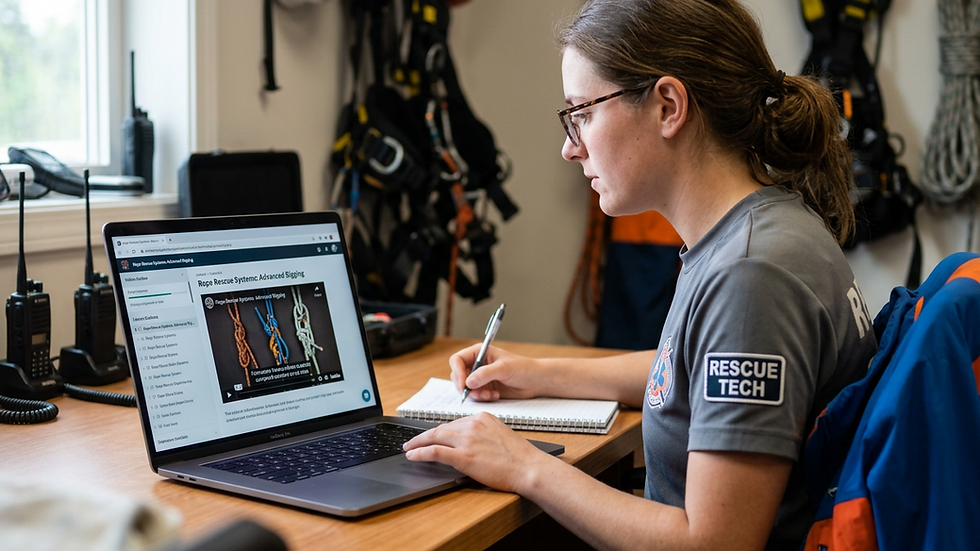
Mastering these techniques is not a one-time event. The field of rescue is constantly evolving with new vehicle designs, materials, and technologies. Continuous training is essential.
Simulation and Scenario-Based Training
Hands-on practice through realistic simulations is the best way to prepare. Scenarios that mimic real-life collisions help rescuers develop muscle memory and decision-making skills under pressure.
Learning from Each Incident
After every rescue, conducting a debrief is invaluable. What went well? What could be improved? Sharing these lessons across teams and organisations raises the overall standard of care.
Integrating Technology and Innovation in Rescue Operations
Technology is transforming how we approach RTC rescue. From advanced cutting tools to drones for scene assessment, staying updated with innovations can enhance efficiency and safety.
Vehicle Telematics and Data Access
Modern vehicles often have telematics systems that provide crucial information about airbags deployed, battery location, and structural reinforcements. Accessing this data quickly can guide rescue strategies.
Communication Tools
Reliable communication devices ensure seamless coordination between rescue teams, medical personnel, and command centres. Clear communication reduces errors and speeds up the rescue process.
Building a Culture of Preparedness and Excellence
Mastering rtc rescue techniques is more than just skills and tools. It’s about fostering a mindset of readiness, teamwork, and continuous learning. Every member of the rescue team plays a vital role in saving lives.
By investing in training, embracing innovation, and sharing knowledge, rescue organisations can improve outcomes for road trauma victims worldwide. After all, in the high-stakes world of RTC rescue, excellence is not optional—it’s essential.
If you want to explore more about rtc rescue, their training programmes and resources are a fantastic place to start.
Mastering these techniques is a journey, not a destination. Stay sharp, stay safe, and keep pushing the boundaries of what’s possible in emergency rescue.


Comments