


Discovering the Essentials of rtc rescue techniques

When it comes to road traffic collisions and heavy rescue, knowing the right techniques can make all the difference. I’ve spent years diving into the world of rescue operations, and one thing is clear: mastering the essentials of rescue is not just about speed, but precision, safety, and adaptability. Whether you’re a firefighter, clinician, or vehicle technician, understanding these core principles can elevate your response and save lives.
Let’s unpack the essentials of rescue, focusing on practical skills, innovative methods, and the mindset needed to tackle the unpredictable nature of road trauma.
Why rtc rescue techniques matter
Imagine arriving at a chaotic scene where every second counts. The vehicle is mangled, the victim trapped, and the clock is ticking. This is where rtc rescue techniques come into play. They are the backbone of effective intervention, designed to stabilise the situation quickly and safely.
These techniques are not just about cutting metal or pulling people out. They involve a deep understanding of vehicle construction, injury patterns, and the best tools for the job. For example, knowing how to safely remove a roof or door without causing further harm requires both skill and knowledge.
The beauty of rtc rescue techniques lies in their adaptability. No two incidents are the same, so responders must be ready to think on their feet, combining standard procedures with creative problem-solving.
Core principles of effective rescue
Before rushing in, it’s crucial to remember the fundamentals that guide every rescue operation:
Safety first: Protect yourself, your team, and the casualty. This means assessing hazards like fuel leaks, electrical risks, and unstable vehicles.
Scene assessment: Quickly gather information about the environment, vehicle type, and number of casualties.
Stabilisation: Secure the vehicle to prevent movement during rescue. This might involve chocks, cribbing, or struts.
Access and extrication: Use the right tools and techniques to reach and safely remove the casualty.
Medical care integration: Coordinate with clinicians to ensure the casualty receives immediate and appropriate care.
Each step builds on the previous one, creating a seamless flow from arrival to casualty handover.

Tools and technology shaping modern rescue
The rescue landscape is evolving fast. Gone are the days when a simple hydraulic cutter and spreader were enough. Today’s vehicles are complex, with high-strength materials, airbags, and hybrid or electric powertrains that pose new challenges.
Modern rescue tools include:
Battery-powered cutters and spreaders: Lightweight and cordless, these tools improve manoeuvrability and reduce fatigue.
Glass management systems: Designed to safely remove or contain shattered glass, protecting both rescuers and casualties.
Stabilisation kits: Advanced struts and cribbing systems that adapt to various vehicle shapes and terrains.
Thermal imaging cameras: Help identify hotspots or hidden hazards like fuel leaks or electrical faults.
Communication devices: Ensure seamless coordination between rescue teams and medical personnel.
Staying updated with the latest equipment and training is essential. It’s like upgrading your toolkit to match the complexity of modern vehicles and rescue scenarios.
Training and continuous learning
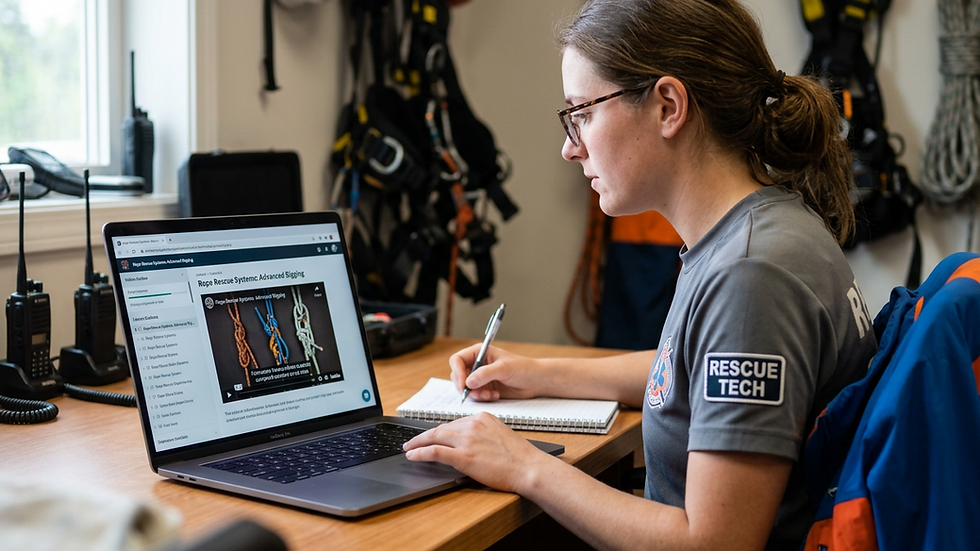
No matter how advanced the tools, the human factor remains paramount. Training is the cornerstone of effective rescue. It’s not just about learning techniques but developing muscle memory, decision-making skills, and teamwork.
Hands-on drills, scenario-based exercises, and cross-disciplinary training sessions are invaluable. They simulate real-life conditions, helping teams anticipate challenges and refine their responses.
For example, practising extrication on different vehicle models, including electric and hybrid cars, prepares responders for the unexpected. It’s also vital to stay informed about new vehicle technologies and rescue methods through workshops, seminars, and online resources.

The human element in rescue operations
Rescue is as much about people as it is about procedures. The emotional and psychological impact on both rescuers and casualties cannot be underestimated. Maintaining calm under pressure, communicating clearly, and showing empathy are critical skills.
I’ve seen how a steady voice and reassuring presence can ease a casualty’s fear, making extrication smoother and safer. Likewise, supporting team members through stressful incidents fosters resilience and cohesion.
Remember, every rescue is a team effort. Sharing knowledge, debriefing after operations, and learning from each experience build stronger, more effective teams.
Embracing innovation for better outcomes
The future of rescue is bright, with technology and training evolving hand in hand. Innovations like virtual reality simulations, drone reconnaissance, and AI-assisted decision-making are already making waves.
These tools offer new ways to prepare for and manage incidents, enhancing situational awareness and precision. But technology is only as good as the people using it. That’s why continuous education and adaptability remain at the heart of successful rescue operations.
If you want to dive deeper into the latest developments and training opportunities, exploring resources like rtc rescue can be a game-changer. They provide a global hub for cutting-edge knowledge and skills, helping rescue professionals stay ahead of the curve.
Building a culture of excellence in rescue
Ultimately, mastering rtc rescue techniques is about cultivating a culture of excellence. It means committing to ongoing learning, prioritising safety, and embracing innovation.
By doing so, rescue teams worldwide can improve outcomes for road trauma victims and ensure that every intervention is as effective and safe as possible.
So, what’s the next step? Start by reviewing your current training, investing in the right tools, and fostering open communication within your team. The road to excellence is a journey, but every step brings you closer to saving more lives.
Mastering the essentials of rescue is a continuous process. It requires dedication, teamwork, and a willingness to adapt. But with the right approach, the impact is profound - turning chaos into order and trauma into hope.


Comments